
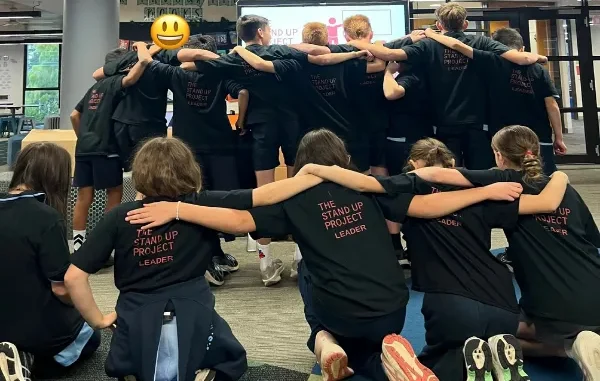
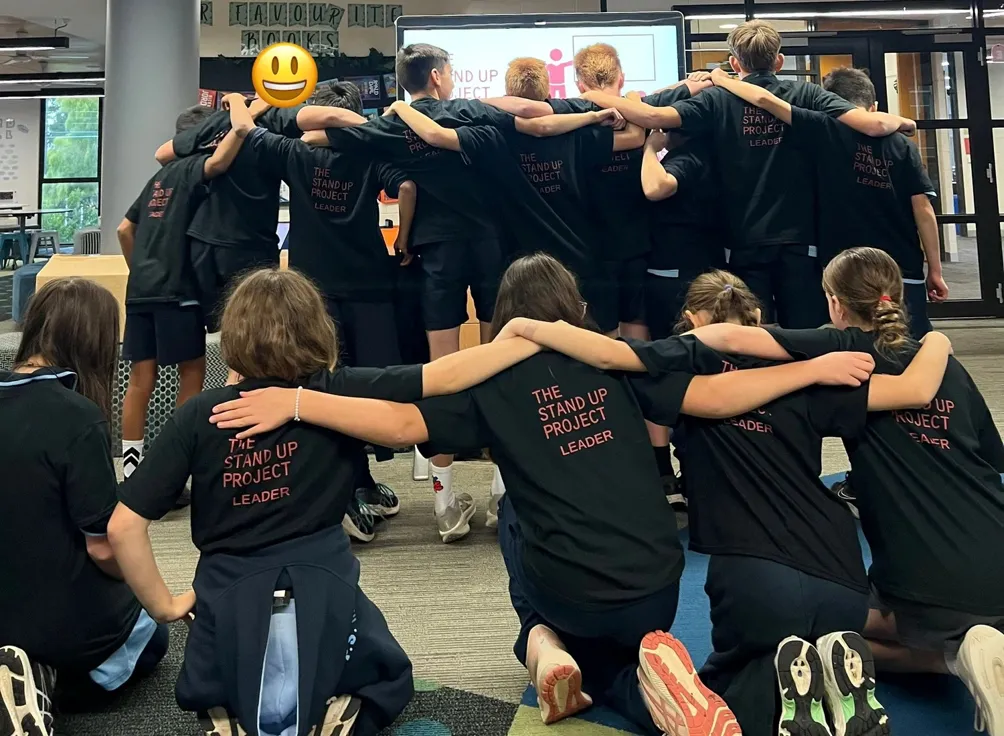
Schools play a vital role in shaping not only academic success but also the personal growth of students. Classroom learning builds knowledge; leadership training creates confidence, responsibility, communication skills and leadership skills to influence others positively. A well-structured student leadership training program provides young students with skills that will help them in school and beyond.
Leadership development is an integral component of student success as schools continue to work on developing supportive and inclusive learning environments. It is also suitable for programs like bullying prevention programs to assist students in fostering respectful relationships and supporting a positive school culture.
What is Student Leadership Training?
Student leadership training gives students the skills to be leaders who are confident and have integrity and empathy. Rather than focusing only on leadership positions like class president or team captain, these programs encourage every student to recognise their ability to make a positive difference.
A good student leadership training program will focus on the following:
- Communication skills
- Teamwork and collaboration
- Decision making
- Problem solving
- Goal setting
- Conflict resolution
- Emotional intelligence
- Personal responsibility
These skills enable students to be active citizens in their school and communities.
Builds Confidence
Some students are afraid to speak or to participate, as they are not confident enough.
Students have the opportunity through leadership training to:
- Express their ideas
- Take part in group conversations
- Lead projects
- Present in front of others
- Make independent decisions
- Students’ confidence builds as they are successful in these contexts.
Self-confident students are more likely to be involved in learning, in extracurricular activities and in volunteering in the community.
Develops Strong Communication Skills
Great leaders are able to communicate clearly and courteously.
Leadership programs help students to learn how to:
- Listen actively
- Share ideas confidently
- Give constructive feedback
- Resolve misunderstandings
- Communicate with various groups of people.
Students communication skills are useful in lessons, in the workplace and in life.
Encourages Responsibility
Leadership involves accountability.
Students see that what they do impacts others and that responsible decision-making leads to positive results.
Students are encouraged during their leadership training to:
- Accept responsibility for their work
- Meet commitments
- Support classmates
- Show honesty
- Lead by example
These habits tend to be carried over to adulthood and future careers.
Promotes Teamwork
In today’s world, collaboration is a key component of the modern workplace and community.
Students will learn about:
- How to work effectively in teams
- Respect different perspectives
- Share responsibilities
- Solve problems together
- Support common goals
Learning these collaborative skills early prepares students for future success.
Supports Positive School Culture
All of a school’s success depends on students’ participation in the development of a respectful and welcoming culture.
A good student leadership training program promotes students to:
- Include others
- Celebrate diversity
- Show empathy
- Resolve conflicts respectfully
- Encourage positive behaviour
Student leaders can be role models and inspire others through actions.
Strengthens Decision Making
Each day, students have decisions to make about themselves and others.
Leadership training provides students with the opportunity to learn how to:
- Evaluate situations
- Consider consequences
- Think critically
- Make ethical decisions
- Take accountability for results
As students take on more responsibility throughout their lives, these skills are continuing to be more useful.
Complements Bully Prevention Efforts
Leadership development is closely connected to bully prevention programs, and helps students to learn how to engage in respectful relationships and how to build a school community that is inclusive.
Leadership training helps students to respond to bullying by:
- Respect others’ rights to stand up by standing up yourself
- Show kindness
- Develop positive relationships with peers
- Be aware of how they affect others’
- Promote inclusion
Leadership training can support the creation of a safer school environment when used in conjunction with effective school-based anti-bullying initiatives, including a feeling of being valued and respected.
Builds Emotional Intelligence
Effective leaders are aware of their own and others’ feelings.
Leadership development programs usually feature exercises which build:
- Self-awareness
- Self-regulation
- Empathy
- Relationship building
- Stress management
There is a positive correlation between emotional intelligence and the ability to handle problems and conflicts and to support others.
Encourages Community Involvement
Leadership is not limited to the classroom.
Many schools invite students to apply their leadership skills through
- Community service
- Volunteer projects
- School events
- Environmental initiatives
- Peer mentoring
Students learn about the significance of giving back in these experiences and gain practical leadership experiences.
Prepares Students for Future Careers
These days, employers want to hire someone who has leadership abilities as well as technical expertise.
By engaging in a student leadership training program, students start learning some of the skills required in the workplace much earlier than they would in their careers.
These include:
- Initiative
- Adaptability
- Time management
- Collaboration
- Professional communication
- Creative problem-solving
How Schools can Encourage Student Leadership
Opportunities in schools for regularly practicing leadership skills can create opportunities for leadership.
Examples include:
- Student councils
- Peer mentoring
- Leadership workshops
- Community service projects
- Group presentations
- Team sports
- School clubs
- Classroom leadership roles
More young people feel confident to contribute positively when there are opportunities for leadership for all students.
Final thoughts
Leaders must not be confined to a limited few students. All children can make a difference in their school and community. A good student leadership training program teaches children to have confidence, communicate effectively, take responsibility, work as a team and become emotionally intelligent, and this will help them throughout their lives.
When leadership education is combined with initiatives like bully prevention programs, schools create supportive environments where students feel empowered to respect others, make thoughtful decisions, and contribute to a culture of kindness and inclusion. Investing in student leadership today helps prepare young people to become responsible, compassionate and capable leaders for the future.





Leave a Reply