
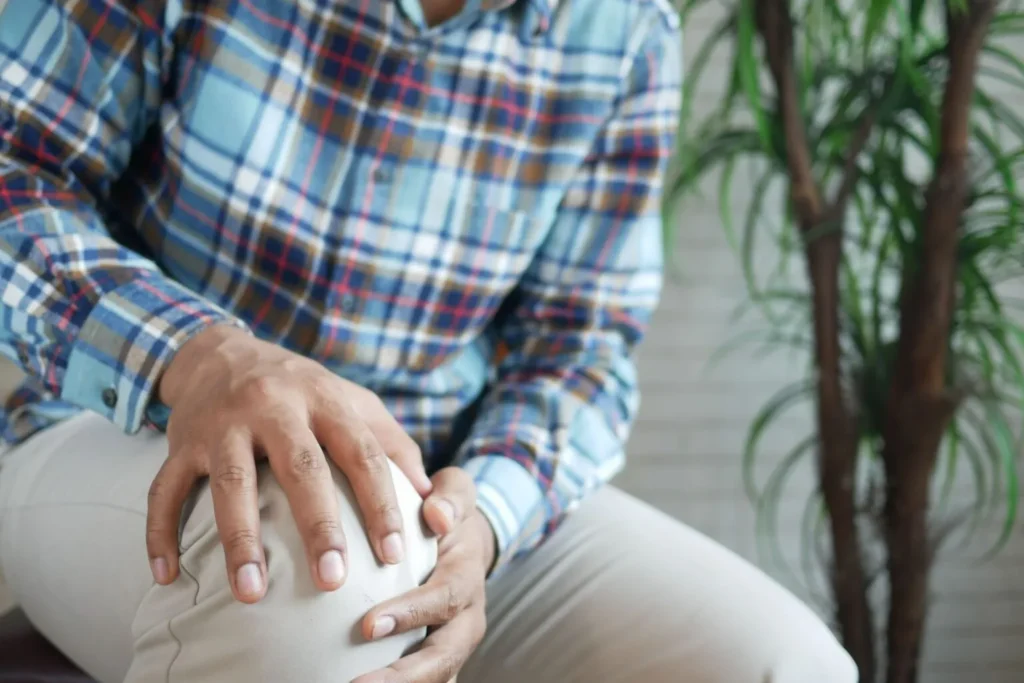
If you have a joint injury, the pain may still linger on like a bad memory. Experts have a name for it, called post-traumatic arthritis. It is when the joint remains sensitive due to cartilage damage, leading to pain and swelling.
You may notice these symptoms worsen in the colder season or when sitting in cool, air-conditioned rooms. Here’s a deeper dig at what may be causing it and how to feel better.
Why Is My Old Joint Injury Still Hurting?
If the pain returns months or even years after a joint injury, this simply means the tissues inside the joint weren’t fully healed. Or maybe the supporting ligaments, tendons, or cartilage have weakened over time.
This can affect your everyday activities, such as carrying groceries, climbing stairs, and walking for long periods. As you grow older, the age-related wear and tear may further increase joint sensitivity.
Tips to Relieve Joint Pain
Regular movement, using a warm compress, following a nutritious diet, etc., can offer therapeutic benefits for joint pain. Learn about these in detail below:
1. Do Gentle Exercises
Doctors recommend that instead of complete rest, light movement can actually help reduce stiffness and improve mobility. Try light walking and gentle stretching to boost blood circulation and loosen up stiff joints.
2. Take Proper Nutrition
An anti-inflammatory diet can help reduce inflammation in the joints and alleviate swelling. The best options include fatty fish, nuts and seeds, fruits, and leafy veggies. Adding omega 3 fish oil supplements may also support joint health and mobility by helping manage inflammation and improving overall joint comfort when taken regularly.
3. Soothe with a Warm Compress
When an injury becomes old, a warm compress can help improve circulation and reduce pain. Doing it once a day can help relax tight muscles around the joint and make movement more comfortable. This is especially beneficial in cold weather.
4. Make Small Lifestyle Changes
If your weight is on the higher end, it can put extra pressure on your knees, ankles, and heels, causing soreness. So, try to maintain the right weight to ease movement. Also, maintain proper posture while sitting and during daily activities like walking and carrying weights to prevent unnecessary strain.
5. Strengthen Your Bones
Sometimes, delayed healing and joint pain can co-occur with nutritional deficiencies, such as vitamin D3. Since vitamin D is needed for calcium absorption, its deficiency can lead to brittle bones, muscle soreness, and joint pain.
Having a varied and balanced diet can help provide all these nutrients needed to support a healthy weight. If that’s not always possible, and you want something convenient and natural, sun exposure or taking vitamin D3 supplements can help maintain adequate levels and support overall bone and joint function in such cases.
To Sum Up
Pain from old joint injuries may resurface if they have not healed properly. Sometimes the inflammation may linger and lead to pain that worsens in cold weather, in the morning, or with repetitive activities. You can help reduce this discomfort with simple habits like staying active, using a warm compress, eating a balanced diet, and supporting your joints with the right nutrients. However, if the pain becomes more frequent, severe, or starts affecting your daily routine, consult a doctor to understand what’s going on and explore the best treatment options.





Leave a Reply