

So your doctor ordered a gut microbiome test, and the results just landed. You opened the PDF expecting something straightforward, maybe a “healthy” or “needs improvement”. Instead, you got bacterial names that look like Latin exam answers, bar charts in six colors, and a diversity score nobody bothered to explain.
That report is genuinely useful, though. You just need someone to walk you through it without the textbook language. No fluff, no scare tactics, just a plain breakdown of what your gut microbiome test results actually mean for you.

What’s Actually Inside That Report
Strip away the formatting, and your gut microbiome test report answers basic questions about bacteria living in your digestive tract. Which ones showed up? How many of each? Are they pulling their weight or just sitting there?
Gut Microbiome Test Results Decoded
| Section on Your Report | What It’s Really Telling You |
|---|---|
| Bacterial Types Found | Which bacteria showed up as helpful, some not so much |
| How Much of Each | Whether certain types have multiplied too aggressively or dipped too low |
| Diversity Score | How varied your gut ecosystem is like biodiversity in a forest |
| What They’re Producing | Whether your bacteria are manufacturing compounds your body depends on |
That diversity score deserves the most attention. If you only look at one number on the entire report, make it that one. A gut hosting lots of different bacterial types bounces back from illness, stress, and antibiotics far better than one dominated by just a couple of species. Think of it like the difference between a diverse hawker centre offering fifty stalls versus one selling only chicken rice. The variety makes the whole system more resilient.
Those High and Low Flags: Should You Worry
Almost every gut microbiome test report highlights markers outside normal ranges. And almost every patient’s first reaction is mild panic. Fair enough. But context matters more than the numbers alone.
- Protective bacteria sitting low? Your gut lining might be weakening. Patients across Singapore report this alongside bloating and food sensitivities. Doctors at integrative clinics here are seeing this pattern more frequently, likely tied to how drastically local diets have shifted over the past decade. The move from home-cooked meals to grab-and-go options from food delivery apps has quietly changed what our guts look like on the inside.
- Nutrient-producing bacteria depleted? Bad news for colon health and blood sugar regulation. Your risk for IBS and type 2 diabetes climbs gradually. Exactly why catching it early through proper testing matters.
- Inflammation markers elevated? Nine times out of ten, this traces back to recent antibiotics or a rough stretch of eating poorly. Stressful to see on paper, but usually reversible with dietary changes.
- One bacterial group hogging all the space? When a single family takes over, metabolism pays the price. Research across Asian populations keeps confirming this.
None of this is a diagnosis on its own. Your doctor reads these alongside blood work, symptoms, and medical history. The report is an important puzzle piece, but still just a piece.
One Test Doesn’t Tell the Whole Story
Your gut shifts based on yesterday’s dinner, last week’s stress, that antibiotic you took back in March. A single gut microbiome test catches one moment in time. If results look alarming, get retested in three to six months before drawing big conclusions.
This matters especially in Singapore, where high antibiotic prescription rates, air-conditioned environments disrupting natural bacterial exposure, and heavy reliance on packaged food create gut profiles that swing quite noticeably between seasons.
Small Changes That Actually Move the Needle
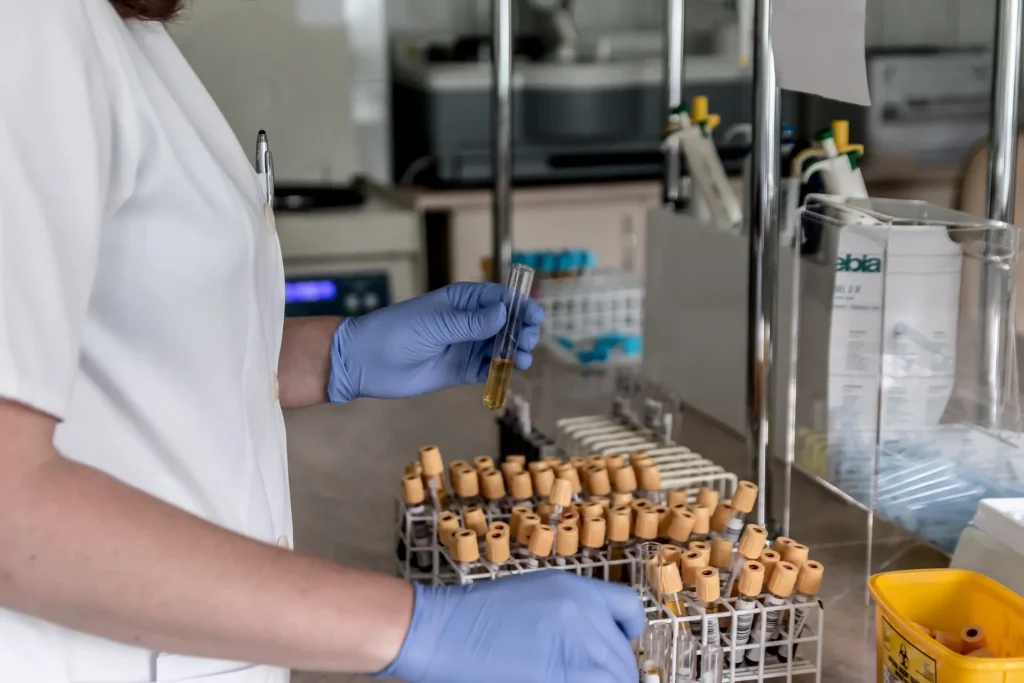
Once you have your gut microbiome test results in hand, skip the expensive supplements. Start with your plate.
A landmark study found that people consuming thirty or more different plant foods weekly had significantly richer bacterial profiles than those eating fewer than ten. Thirty sounds like a lot until you start counting different vegetables at the mixed rice stall, a handful of nuts as a snack, varied fruits from the wet market, and different grains across the week. It adds up faster than you’d expect.
Fermented foods deserve special mention. Kimchi, kefir, yoghurt, tempeh, and miso already show up regularly across Singapore’s food landscape, from hawker stalls to supermarket shelves. A Stanford study confirmed that increasing fermented food intake boosted gut diversity and reduced inflammation markers within just ten weeks.
Those probiotic capsules lining the shelves at Guardian and Watsons? Most commercial strains pass straight through without colonising your gut. Save the money. Real food reshapes the environment your bacteria actually live in. Capsules are just tourists passing through.
Conclusion
Your gut microbiome test hands you something genuinely valuable: a personalised snapshot of what’s happening beneath the surface. Bring the test results when you visit the next doctor. Inquire about your diversity index, highlighted markers, and changes that you should make in your diet according to the results. Do not expect an overnight change, since it took some time for your gut microbiota to develop into its present form and requires patience to restore. However, regular changes to the food you consume on a weekly basis will have a greater impact than any medication sold in pharmacies.
Related posts:
 Simple Tips And Tricks To Help You Improve Your Health And Wellness
 Fun Facts About Milk
 Regaining Control on the Road to Recovery: What You Need to Know
 🦷 Emax vs Zirconia: Which Dental Veneer Is Better for Your Smile?
 Medical Malpractice in Florida: What Every Healthcare Provider Should Understand
Leave a Reply