
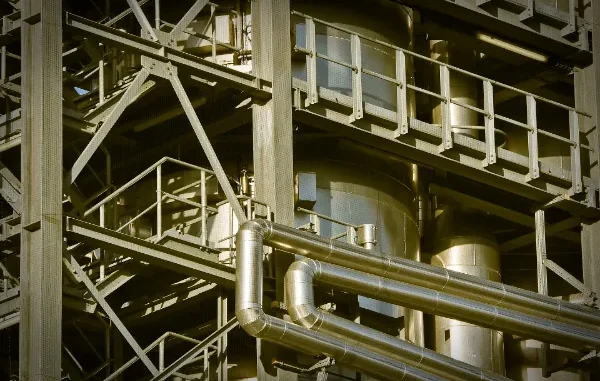
Most of us are familiar with the standard sprinkler systems found in offices, hotels, and shopping malls. These systems are effective, reliable, and nearly invisible in everyday environments. But in certain high-risk industrial settings, standard sprinklers simply aren’t enough. When a fire can spread within seconds — engulfing an entire area before a single sprinkler head has time to activate — a fundamentally different approach is needed.
That approach is the deluge system, and at its heart is one critical component: the deluge valve.
What Is a Deluge System?
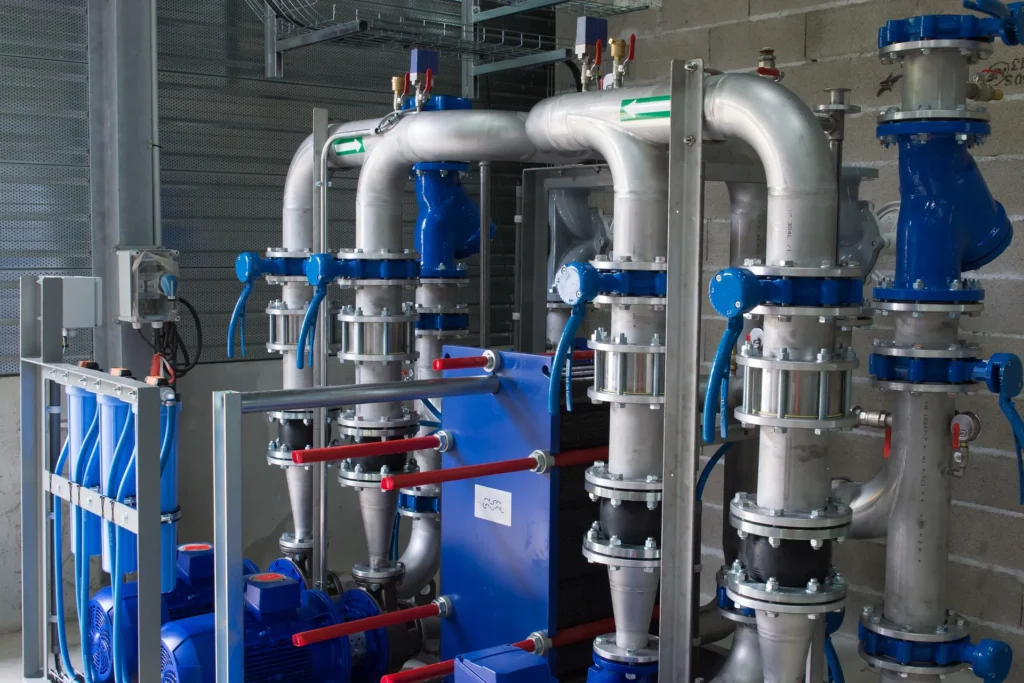
Unlike a conventional wet-pipe sprinkler system, where each sprinkler head activates independently in response to heat, a deluge system keeps all sprinkler heads permanently open. No heat-sensitive element holds them closed. Instead, water is held back at a central control point — the deluge valve — and released simultaneously across every open head in the protected zone the moment a fire is detected.
The result is a simultaneous flood of water or foam across the entire hazard area. This “all at once” response is precisely what makes deluge systems effective in environments where a fire can propagate instantaneously.
How the Deluge Valve Works
The deluge valve is a specialized automatic control valve that sits between the water supply and the open sprinkler network. Under normal conditions, it remains closed, keeping the downstream piping dry. When the detection system — typically heat detectors, flame detectors, or manual triggering — sends an activation signal, the valve opens rapidly, pressurizing the entire pipe network and discharging water through every open head simultaneously.
Modern deluge valves are typically diaphragm-operated, available in sizes ranging from DN50 to DN350, and designed for both flanged and grooved pipe connections. They can be integrated with electric, pneumatic, or hydraulic actuators to suit different control system architectures. Crucially, they can also be reset and returned to standby condition after activation — an important operational requirement for facilities that need to resume protection quickly after an incident.
Where Deluge Systems Are Essential
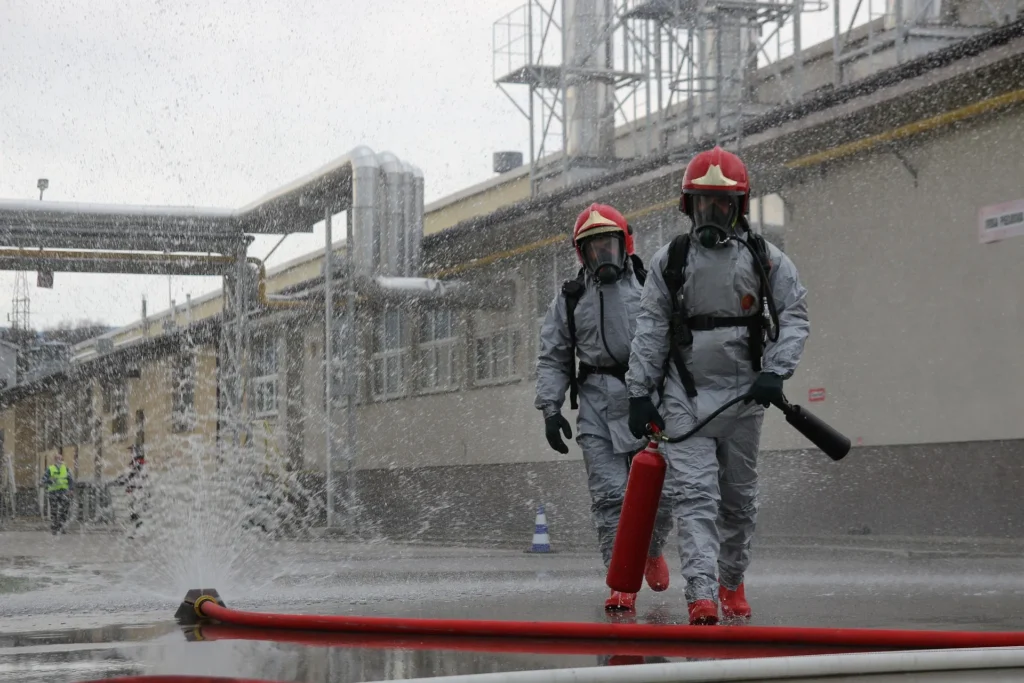
Deluge systems are the standard of protection in environments where the speed and scale of a potential fire event exceed what standard sprinklers can handle.
Aircraft hangars represent one of the most critical applications. Jet fuel can spread across a hangar floor in seconds following a fuel leak, creating an immediate fire risk that demands instant, total-coverage suppression. Aviation authorities around the world mandate deluge foam-water systems for hangars of significant size, in accordance with NFPA 409 and equivalent international standards.
Petrochemical and refinery facilities handling flammable liquids and gases require deluge protection over equipment such as heat exchangers, pump skids, and loading arms — areas where a leak and ignition sequence can escalate catastrophically.
Power transformers in electrical substations contain large quantities of insulating oil that can ignite under fault conditions. Transformer deluge systems can flood the entire unit within seconds of detection, preventing a localized fault from becoming a substation-wide disaster.
Ammunition storage and explosive manufacturing facilities require suppression systems that can respond to a deflagration event before it transitions to detonation. The speed of deluge response is critical in these environments.
Specifying and Maintaining Deluge Systems
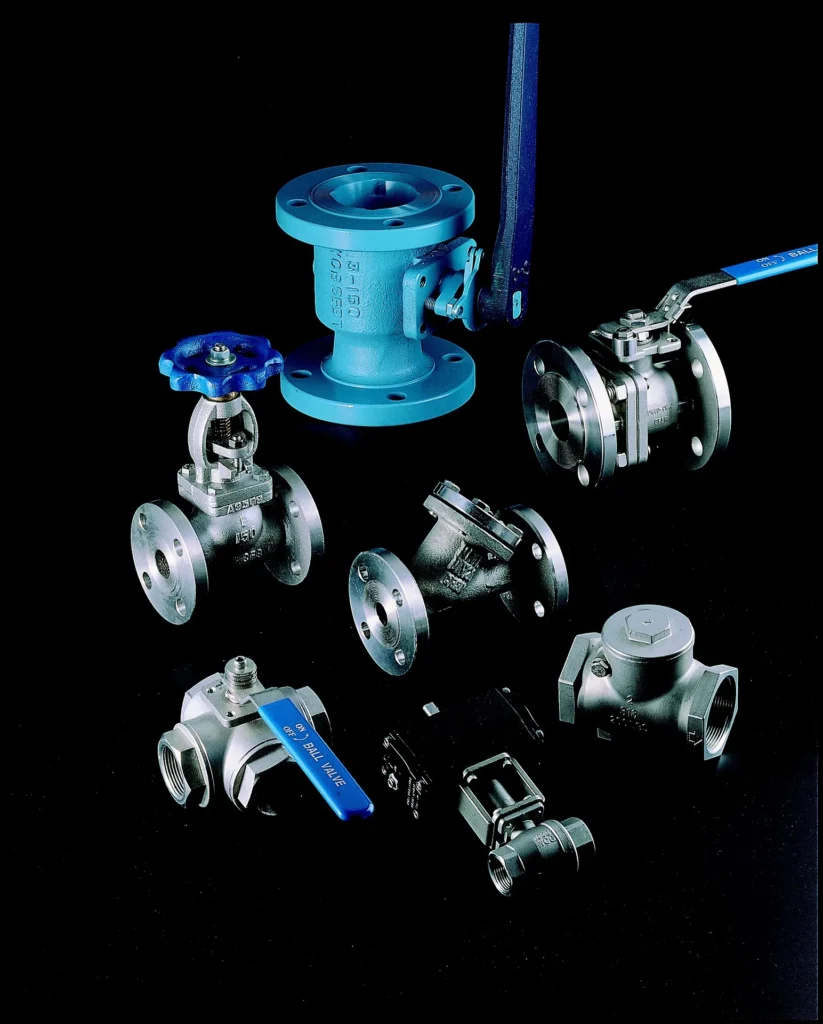
For fire protection engineers and facility managers, proper specification of a deluge system requires careful analysis of the hazard, water supply availability, detection system reliability, and valve sizing. The deluge valve must be matched to the flow demand of the open head array — undersizing the valve results in inadequate pressure and flow at the discharge points.
Equally important is maintenance. Deluge valves should be inspected annually and tested in accordance with NFPA 25, which governs the inspection, testing, and maintenance of water-based fire protection systems. Partial flow tests, full trip tests, and component inspections all form part of a compliant maintenance program.
For facilities where downtime carries significant cost — refineries, data centers, power generation assets — investing in high-quality, certified deluge valve equipment from a reputable manufacturer is not a place to economize. Reliable operation when it matters most is the only metric that counts.
Related posts:
 The Complete Guide to Using Telegram for Secure and Smart Communication
 How Dechecker AI Checker Turns Awkward Drafts Into Human-Readable Content
 What Does C3PAO Mean for the Future of Risk Management?
 Water Damage Restoration Service Lanham: Fast & Efficient
 Voyage Through Time: When will Time Travel be Possible
Leave a Reply