
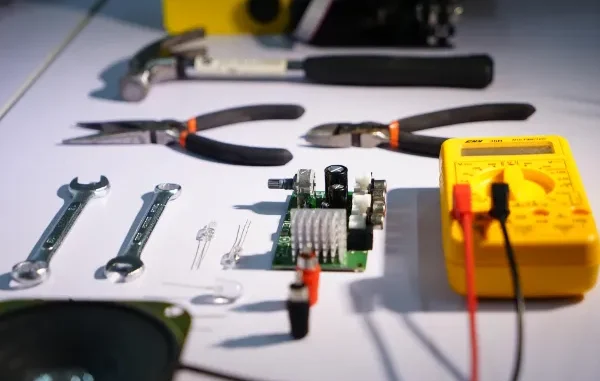
A variety of precision-driven industries, from electrical contracting and mechanical engineering to facilities management and industrial maintenance, depend on the routine use of professional test and measurement tools.
However, the difference between a well-accomplished job and a safety hazard often lies in the quality of these tools, as well as how they are used. Ticking both these boxes with test and measurement tools will enable you to deliver the best possible safety, compliance, quality, and efficiency.
In this guide, then, we will be looking at the practical usage of various common professional test and measurement tools. We will place a particular slant on the essentials of these instruments in the UK, although much of what we say will also be applicable more broadly.
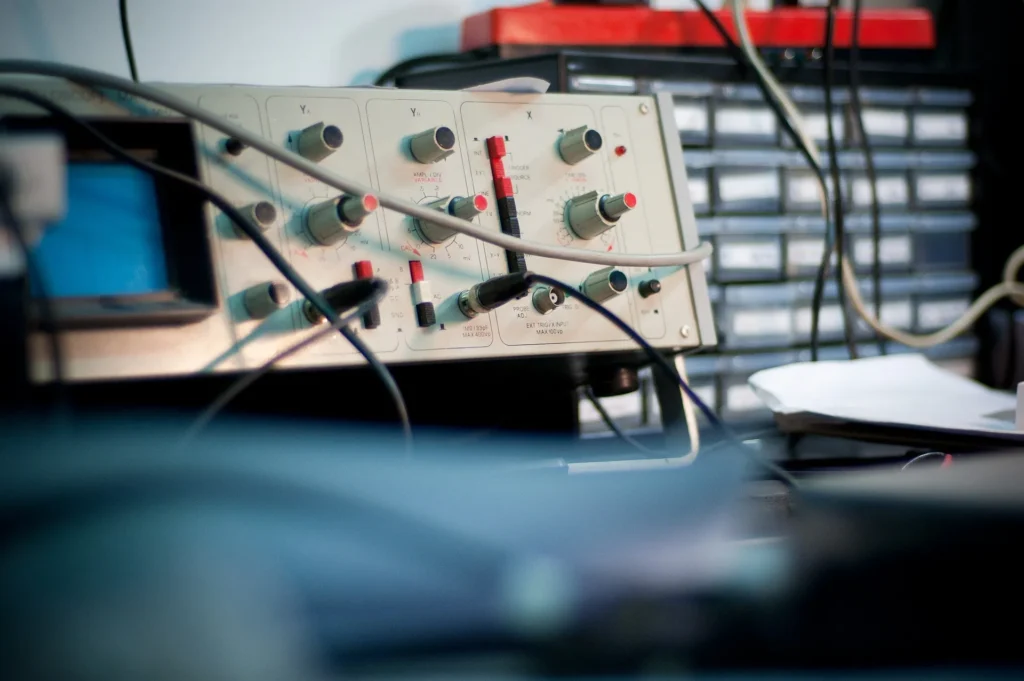
Why Do Professional Tools Matter in the UK?
DIY enthusiasts might be able to “get by” just fine with cheap consumer-grade meters. Professionals, however, depend on CAT-rated calibrated equipment that can stand up to the punishment of harsh environments and provide traceable accuracy.
Such brands as Fluke, Megger, Testo, Leica, and Keysight are trusted sources of professional-standard test and measurement tools in the UK.
These instruments must be regularly calibrated – in many cases, yearly. Great numbers of electricians around the UK use accredited laboratories to ensure continued compliance with schemes like NICEIC or ELECSA.
What Are Some of The Essential Pro-Level Test and Measurement Tools?
Electrical testing forms the backbone of many professions in the UK, especially under Part P of the Building Regulations and the IET Wiring Regulations. Mechanical and dimensional measurement tools, meanwhile, see widespread use for precision engineering, manufacturing, and quality assurance (QA) in workshops.
Here are a few examples of such tools across both testing and measurement categories:
· Multimeters. These general-purpose instruments are used to measurevoltage, current, and resistance. High-quality models are favoured for the troubleshooting of motor drives and automation.
· Insulation resistance testers. Professionals count on these tools as a means of detecting possible insulation failures in electrical systems.
· Clamp meters. These electrical testing devices each combine a digital multimeter with a current sensor; they make it possible to measure current without direct contact.
· Digital calipers. Distinguished by a sliding jaw and an electronic display, this precision instrument provides instant and accurate measurements of inner, outer, depth, and step dimensions.
· Spirit levels. Checking horizontality and verticality is straightforward with one of these conventional tools. Professional-standard spirit levels are designed to be especially durable in rugged construction environments.
Test And Measurement Tools: Best Practices for Professional Use
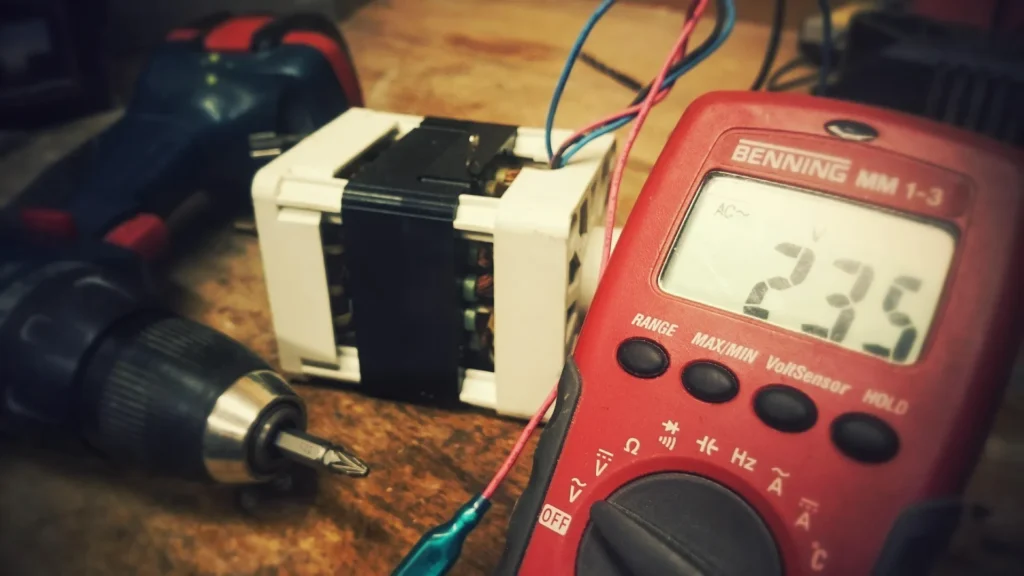
Responsible professionals need to adhere to a rigorous operational protocol to ensure their testing and measurement instruments always deliver the necessary accuracy and safety.
· The Proving Procedure
For electrical testing, it is crucial to always follow the three-step “test the tester” process.
This entails firsttesting the tester using a known proven unit, and secondly, testing the circuit in question. The last and third step is to test the tester again, to confirm it remained functional throughout the process.
· Safe Handling and Maintenance
A key element of looking after professional testing and measuring equipment, is undertaking appropriate visual inspections. It is important to regularly check for signs of damage, such as exposed wires, cracked casings, or burn marks indicating overheating.
Something else that professional instruments should undergo on a regular basis is calibration, which can be done through UKAS-accredited laboratories. This processis key to ensuring a given tool’s readings continue to be within specified accuracy limits.
Professionals must make sure, too, that they only ever use electrical testing tools while wearing appropriate personal protective equipment (PPE). Typical examples of PPE for such purposes encompass insulated gloves, safety goggles, and flame-resistant clothing.
Last Word: Position Yourself to Perform Testing and Measurement More Effectively
Remember that professional test and measurement tools aren’t “merely” instruments; they’re also an imperative first line of defence against faults, non-compliance, and expensive callbacks.
It is crucial to obtain such devices and tools from reputable brands, in addition to using them correctly and maintaining them properly. By doing so, you cangreatly help ensure the efficiency, safety, and legal compliance of your day-to-day work.
Related posts:
 Voyage Through Time: When will Time Travel be Possible
 Water Damage Restoration Service Lanham: Fast & Efficient
 What Does C3PAO Mean for the Future of Risk Management?
 How Dechecker AI Checker Turns Awkward Drafts Into Human-Readable Content
 The Complete Guide to Using Telegram for Secure and Smart Communication
Leave a Reply