

Even with a seemingly balanced diet, many adults don’t get all the vitamins they need. Vitamin deficiencies can develop slowly, often showing up as fatigue, mood changes, or other subtle health issues. Knowing which vitamins are commonly low and how to support your intake can make a big difference in your overall well-being.
Why Vitamin Deficiencies Happen
Modern diets, stress, medical conditions, and lifestyle factors can all contribute to low vitamin levels. Even if you eat plenty of fruits and vegetables, certain vitamins may not be absorbed efficiently, or your body may require more than usual. Over time, this can affect energy, immunity, and even mental health.

Common Vitamin Deficiencies
- Vitamin D – Low levels can lead to fatigue, weak bones, and immune issues. Limited sun exposure or darker skin can increase the risk.
- Vitamin B12 – Important for nerve function, energy production, and red blood cell formation. Vegetarians, older adults, and those with absorption issues may need more.
- Folate (B9) – Supports DNA synthesis and cell division. Low intake can cause fatigue and poor mood.
- Vitamin B6 – Needed for neurotransmitters and energy metabolism. Deficiency can cause irritability and confusion.
- Vitamin C – Essential for immune support, collagen production, and antioxidant defense. Low levels can affect skin health and immunity.
- Vitamin A – Supports vision, skin, and immune function. Deficiency is less common but can occur with restrictive diets.
- Vitamin E – Acts as an antioxidant and supports cell function. Low levels can affect immunity and skin health.
How to Support Your Vitamin Intake
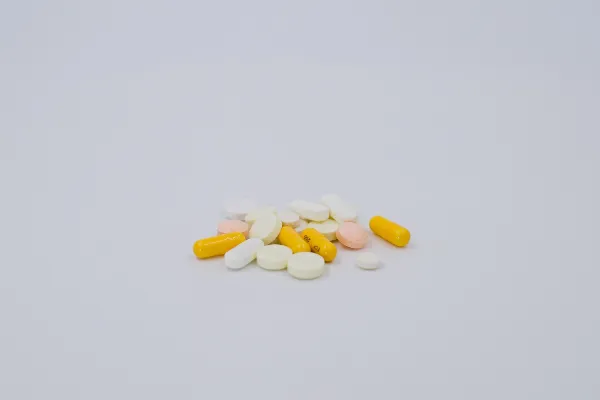
Eating a varied diet is the first step, but sometimes food alone isn’t enough. Supplements like ACTIVIT can help fill gaps. ACTIVIT provides B-vitamins in their active forms: B1 as Thiamine HCL, B2 as Riboflavin-5-Phosphate, B3 as Niacin, B6 as Pyridoxal 5-Phosphate, B7 as Biotin, B9 as L-methyl folate, and B12 as Methylcobalamin. These methylated forms are easier for the body to use, helping support energy, metabolism, and overall wellness.
It also contains essential minerals, such as calcium as Calcium Bisglycinate, magnesium as Magnesium Malate, iron as Ferrous Bisglycinate, zinc as Zinc Bisglycinate, and copper as Copper Bisglycinate, to further support bone health, metabolism, and overall nutritional balance.
Signs You Might Have a Deficiency

Some common indicators of vitamin deficiencies include:
- Persistent fatigue or low energy
- Mood swings, irritability, or brain fog
- Weak nails or hair loss
- Poor immunity or frequent illness
- Muscle weakness or cramps
If you notice these symptoms, it may be worth consulting a healthcare professional and checking your nutrient levels. A high-quality supplement like ACTIVIT can also help address deficiencies.
Final Thoughts
Vitamin deficiencies are more common than many adults realize, but they don’t have to interfere with your life. By paying attention to diet, recognizing early signs, and using supplements like ACTIVIT when needed, you can maintain better energy, immunity, and overall health. Ensuring your body gets the active forms of essential vitamins and minerals can make a real difference in how you feel day-to-day.
Related posts:
 Simple Tips And Tricks To Help You Improve Your Health And Wellness
 Fun Facts About Milk
 Regaining Control on the Road to Recovery: What You Need to Know
 🦷 Emax vs Zirconia: Which Dental Veneer Is Better for Your Smile?
 Medical Malpractice in Florida: What Every Healthcare Provider Should Understand
Leave a Reply