
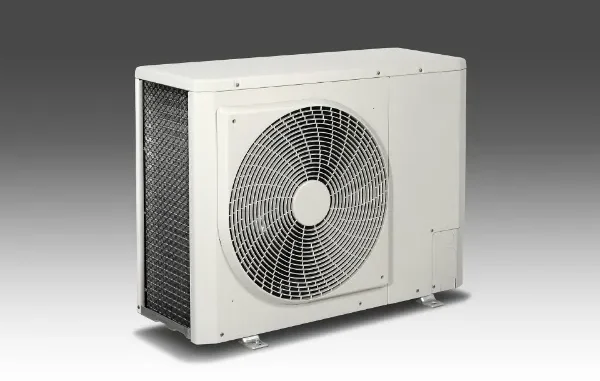
Installing a heating and cooling system is one of the most important decisions a homeowner can make. While equipment quality matters, installation plays an equally critical role in determining long-term performance. Even the most advanced system can struggle if it is not installed correctly.
Proper installation affects airflow, energy efficiency, and overall system reliability. Small miscalculations during setup may lead to uneven temperatures, higher energy bills, and premature wear. Attention to detail during this stage lays the groundwork for consistent comfort.
Nardco Heating & Air Conditioning emphasizes that long-term system success begins on installation day. Working with a skilled HVAC contractor ensures that equipment is properly sized, positioned, and calibrated for reliable operation.
Correct System Sizing and Planning
System size directly influences comfort and efficiency. Equipment that is too large may cool or heat spaces too quickly, leading to short cycling. This pattern increases wear and reduces efficiency.
Undersized systems operate continuously without achieving desired temperatures. Constant strain shortens equipment lifespan and raises utility costs.
A professional HVAC contractor evaluates square footage, insulation levels, and home layout to determine appropriate capacity before installation begins.
Strategic Equipment Placement
The location of indoor and outdoor units affects performance. Units placed in confined or poorly ventilated spaces may struggle with airflow.
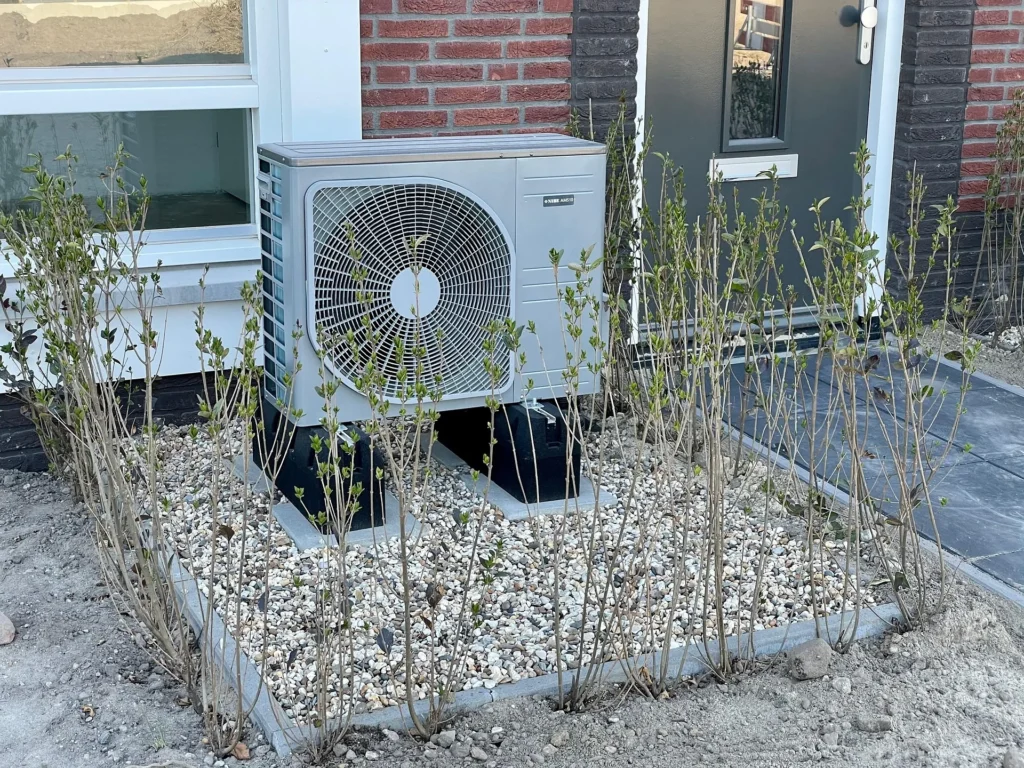
Outdoor condensers require adequate clearance to release heat efficiently. Indoor components should be positioned to support even distribution throughout the home.
Thoughtful placement contributes to stable system performance.
Ensuring Proper Airflow Configuration
Airflow is central to heating and cooling efficiency. Improper duct connections or restricted pathways limit system effectiveness.
During installation, ductwork must be sealed securely and aligned correctly. Balanced airflow prevents uneven temperature zones and unnecessary strain on components.
Smooth air movement supports consistent comfort.
Electrical and Control Connections
Heating and cooling systems rely on precise electrical wiring and control communication. Faulty connections may cause inconsistent operation or system shutdowns.
Careful calibration ensures that thermostats and sensors communicate accurately with equipment. Reliable communication improves responsiveness and safety.
Attention to wiring details protects overall performance.
Refrigerant and Fuel Line Accuracy
Air conditioning systems depend on correct refrigerant levels to operate efficiently. Heating systems require properly connected fuel lines for safe combustion.
Incorrect installation in these areas can reduce efficiency or create safety concerns. Accurate measurements and secure fittings are essential.
Proper handling of these elements safeguards long-term reliability.
Ventilation and Moisture Management
Ventilation components play a vital role in maintaining balanced indoor air. Poor installation may lead to excess humidity or inadequate airflow.
Moisture buildup can damage system components and reduce comfort. Installing ventilation pathways correctly ensures stable humidity control.
Balanced airflow protects both equipment and indoor conditions.
Supporting Energy Efficiency From Day One
Efficiency begins with proper installation. Systems installed with precision operate closer to manufacturer specifications.
Incorrect installation often results in higher energy use. Addressing efficiency at the start reduces long-term operating costs.
Midway through installation planning, Nardco Heating & Air Conditioning carefully reviews performance standards to confirm alignment with efficiency goals.
Reducing Future Repair Risks
Many system failures trace back to installation errors. Loose fittings, improper sealing, or misaligned components create stress points.
Professional installation reduces these risks significantly. Secure connections and calibrated controls prevent early breakdowns.
Preventive precision limits repair frequency.
Protecting Manufacturer Warranty Coverage
Most manufacturers require installation to meet specific guidelines for warranty protection. Failure to follow these standards may void coverage.
Working with an experienced HVAC contractor ensures compliance with manufacturer requirements.
Proper documentation during installation protects long-term investment value.
Ensuring Balanced Temperature Distribution
Even temperature distribution depends on careful system design. Incorrect duct sizing or vent placement creates hot and cold spots.
Installation must account for airflow resistance and room layout. Balanced distribution enhances overall comfort.
Consistent temperatures improve daily living conditions.
Preparing for Seasonal Demands
Installation decisions affect how well systems handle peak seasonal loads. Proper calibration ensures readiness for extreme temperatures.
Testing during installation confirms that systems respond accurately under various settings.
Prepared equipment transitions smoothly between heating and cooling cycles.
Improving Indoor Air Quality Performance
Installation influences filtration and airflow effectiveness. Poor alignment may allow contaminants to circulate more easily.
Proper sealing and calibration enhance filtration efficiency. Clean airflow supports healthier indoor environments.
Installation quality affects more than temperature control.
Supporting Long-Term Equipment Lifespan
Systems installed correctly experience less strain. Balanced operation reduces stress on motors and compressors.
Lower strain extends component life and delays replacement needs.
Careful setup builds a strong foundation for durability.
Enhancing System Responsiveness
Responsive systems adjust quickly to thermostat changes. Installation accuracy ensures proper sensor calibration.
Delayed responses often stem from misaligned components or airflow issues.
Professional setup supports faster and smoother performance.
Avoiding Noise and Vibration Issues
Improper installation may cause rattling or vibration during operation. Secure mounting and balanced alignment reduce unnecessary noise.
Quiet systems indicate stable and correct installation practices.
Reduced vibration also prevents gradual mechanical wear.
Encouraging Long-Term System Monitoring
Installation marks the beginning of system care. Homeowners should remain attentive to performance after setup.
Regular inspections confirm that equipment continues operating as designed.
Ongoing evaluation supports lasting reliability.
Integrating Systems With Home Design
Modern homes often include zoning systems and smart controls. Installation must align with these technologies for full effectiveness.
A knowledgeable HVAC contractor ensures seamless integration with existing home infrastructure.
Coordination improves comfort management and efficiency.
Building Confidence in Home Comfort
Proper installation provides peace of mind. Homeowners feel more secure knowing their system was installed correctly.
Reliable heating and cooling enhance overall quality of life.
Confidence grows from precision and professionalism.
Creating a Strong Foundation for Performance
Installation decisions influence every aspect of long-term performance. Attention to detail today prevents complications tomorrow.
With guidance from Nardco Heating & Air Conditioning, homeowners can rely on a trusted HVAC contractor to deliver precise installation that supports efficiency, durability, and dependable comfort. Proper setup ensures heating and cooling systems perform reliably for years to come.
Related posts:
 9 Best AI-Powered Fundamental Analysis Platforms for 2025
 The future of sales is WhatsApp automation for business
 AI ETL: How Artificial Intelligence Automates Data Pipelines
 Why AIEnhancer Turns Interior Photos Into Realistic Style Transformations
 Smart Video Editing Without Cost: A Practical Guide for Modern Creators
Leave a Reply