
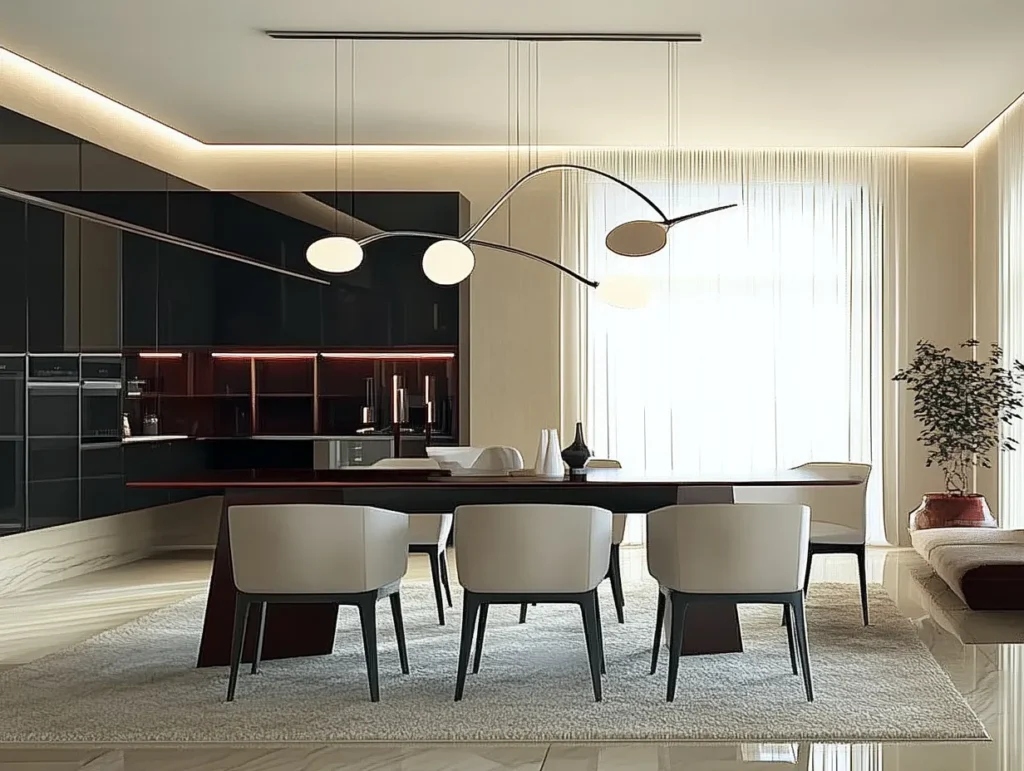
This year’s American interior design landscape feels unusually expressive, personal, and culturally tuned in. Homes are no longer treated as static backdrops, but as spaces that reflect identity, politics, creativity, and lifestyle choices.
It’s no coincidence that the conversation often starts with viral furniture pieces like the Camaleonda sofa, which has re-entered the spotlight as a symbol of adaptability and informal living. Its renewed relevance mirrors how American homes are evolving: less rigid, more expressive, and designed to accommodate multiple ways of living, working, and gathering.
Softer Spaces and the End of Harsh Minimalism
Across the US, interiors are moving away from sharp minimalism and toward environments that feel emotionally comfortable. Clean lines are still present, but they are softened by rounded shapes, layered materials, and warmer finishes. Furniture silhouettes are lower, deeper, and more inviting, emphasizing rest and connection rather than formality. This shift aligns with a broader desire for interiors that support mental well-being and slower, more intentional routines.
Cloud Dancer and the New American Neutral
Color plays a central role in defining this new mood. Pantone’s Cloud Dancer has become a reference point for designers and homeowners alike. This airy off-white works as a neutral that feels calm without being cold, ideal for open-plan homes and light-filled West Coast interiors. Unlike stark whites of the past, Cloud Dancer pairs naturally with wood, stone, and textured fabrics, allowing spaces to feel relaxed and human rather than clinical.
Comfort-Driven Furniture Takes Center Stage
Furniture trends this year are firmly comfort-led. Modular sofas, oversized sectionals, lounge chairs with generous proportions, and upholstered pieces that invite everyday use dominate American interiors. The focus is on furniture that adapts to real life: hosting friends, working from home, watching films, or simply unwinding. Visual lightness has given way to physical comfort, and softness is now a design statement rather than a compromise.
Los Angeles as a Trend Accelerator
Los Angeles continues to influence national design trends through its unique mix of entertainment, wellness culture, and creative industries. Interiors often borrow cues from boutique hotels, film sets, and music studios, blending residential comfort with cinematic atmosphere. Celebrities and creatives increasingly share their homes online in an unpolished, lived-in way, reinforcing the idea that authenticity matters more than perfection. This visibility shapes taste, encouraging individuality and personal storytelling.
Sustainability as a Quality Mindset
Sustainability remains central, but its expression has matured. Rather than overt eco-signaling, American consumers are prioritizing durability, responsible sourcing, and timeless construction. Solid wood furniture, long-lasting upholstery, and well-crafted pieces designed to age gracefully are increasingly valued. This approach aligns with a buy-less-but-better philosophy that resonates strongly with a socially aware, liberal audience.
Why Milan Still Matters to the US Market
As the Milan Design Week approaches, American designers and media are once again looking overseas for insight. The event still serves as a cultural barometer, highlighting emerging materials, color directions, and conceptual approaches. Milan helps frame global conversations around design, especially on how interiors respond to social change. And so we’re all waiting to find out what the best furniture brands of the moment have in store for us.
Technology That Disappears Into Design
Smart home features are now expected, but their presence is increasingly discreet. Integrated lighting systems, hidden charging solutions, and seamless audio setups are preferred over visible tech. The goal is functionality without visual noise. Technology supports daily life but no longer dictates the aesthetic, reflecting a more mature relationship between innovation and design.
Pop Culture as an Interior Influence
Film, music, and digital media now influence interiors almost in real time. Set design from streaming series, color palettes from album artwork, and visual language from major cultural moments quickly translate into furniture choices and styling decisions. Homes become personal reflections of what people watch, listen to, and believe in, turning interior design into a form of cultural participation.
A Year Defined by Expression and Ease
Overall, American furniture trends this year point toward freedom of expression, emotional comfort, and cultural awareness. Interiors are less about status and more about identity, inclusion, and everyday use. It’s a moment where design feels accessible, flexible, and deeply connected to how people actually live, especially in creative hubs like Los Angeles.
Related posts:
 Exclusive Rewards with WoW Anniversary Classic Boost
 Frequently Asked Questions About Ordering Crystal Awards
 How to Choose the Perfect Women’s Shoes: Comfort, Style, and Confidence
 Making the Right Choice: Single vs. Regular Premium ULIPs
 Holiday Travel Made Easy: Why a Mini Power Bank Is the Ultimate Gift for Travelers
Leave a Reply