
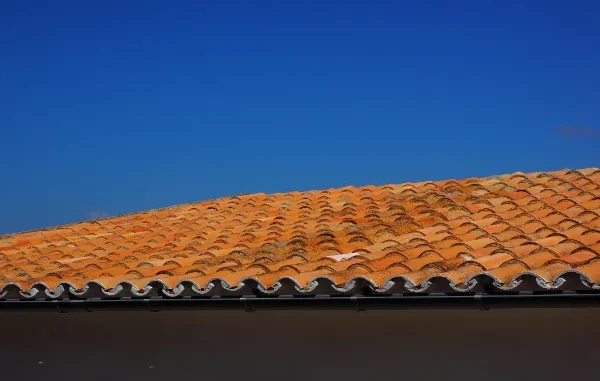
Most roof problems do not begin with dramatic warning signs. There is rarely a sudden collapse or immediate interior flooding that signals the start of trouble. Instead, issues usually develop quietly, progressing beneath the surface long before any visible damage appears inside a building.
Because of this, many property owners underestimate the value of roof inspections when everything seems fine. If there are no leaks, stains, or missing materials, inspections can feel unnecessary. Unfortunately, this assumption often leads to delayed action and higher repair costs later.
Roof inspections are most powerful when they are performed before damage becomes obvious. This proactive approach, commonly supported by experienced providers like Ridge Runner Roofing, allows owners to identify risks early and manage their roofs strategically rather than reactively.
The Problem With Waiting for Visible Damage
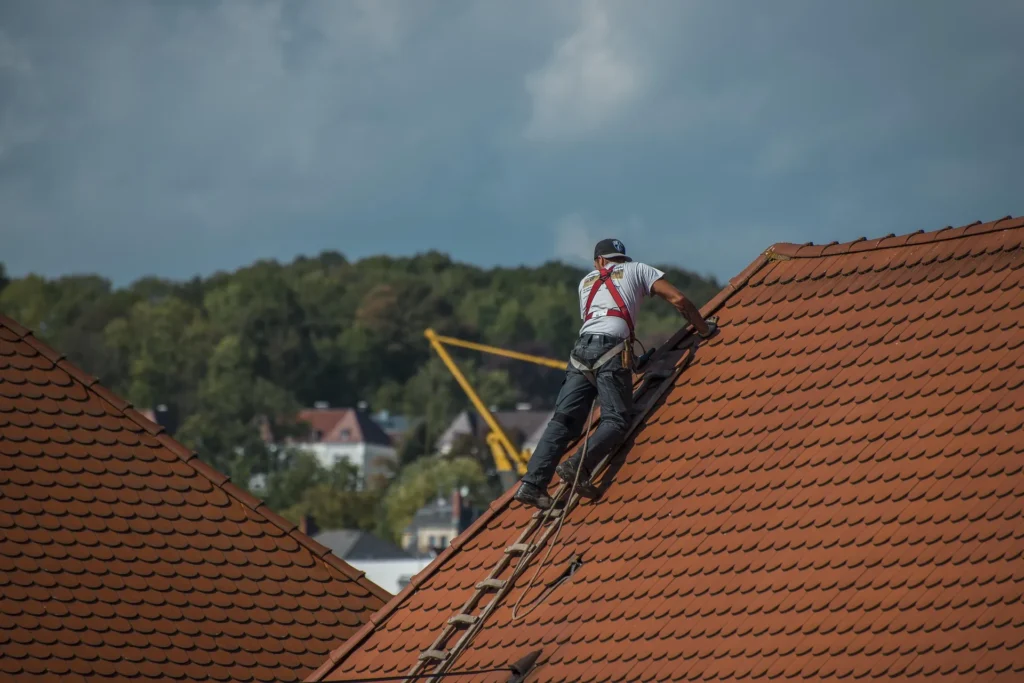
Visible damage is rarely the beginning of a roofing problem. By the time water stains appear on ceilings or walls, moisture has usually been present for some time.
Roofing systems are layered, and water can travel along decking, insulation, and structural components before it reaches interior spaces. This means that what looks like a small issue on the surface may represent a much larger problem underneath.
Waiting for visible damage often shifts a manageable situation into a costly one.
How Roofing Systems Hide Early Failure
Roofs are designed to shed water and protect the structure, but they also conceal early signs of wear. Surface materials may remain intact while underlying components degrade.
Sealants can dry out slowly, fasteners can loosen incrementally, and flashing can separate by millimeters at a time. None of these changes are easily visible from the ground.
Inspections uncover these subtle failures before they compromise the entire system.
The Cost Advantage of Early Detection
One of the greatest benefits of early roof inspections is cost control. Addressing small issues early typically involves minor adjustments rather than major repairs.
Resealing flashing, clearing drainage paths, or reinforcing vulnerable areas is far less expensive than replacing damaged insulation or decking.
Early detection turns unpredictable repair costs into planned maintenance expenses.
Moisture Intrusion Without Immediate Symptoms
Moisture is one of the most destructive forces a roof faces, yet it often causes damage silently. Insulation can absorb water without showing immediate signs.
As insulation becomes saturated, it loses thermal performance and adds weight to the roof structure. Over time, this leads to energy inefficiency and structural stress.
Inspections identify moisture risks before they create widespread damage.
Drainage Issues That Develop Gradually
Drainage problems rarely appear overnight. Slight settling, debris accumulation, or minor slope inconsistencies can develop slowly.
At first, these changes may only affect water flow during heavy rain. Over time, they lead to standing water that accelerates material breakdown.
Routine inspections catch drainage inefficiencies early, when correction is still simple.
Flashing Failures at Critical Points
Flashing protects roof penetrations and transitions, which are the most common entry points for water. These areas experience constant movement and exposure.
Early flashing failure often appears as minor separation or fatigue that is easy to miss. Left unaddressed, these small gaps allow water to enter repeatedly.
Inspections focus on these vulnerable points before leaks develop.
Installation Issues That Surface Over Time
Some roofing problems stem from installation decisions rather than material failure. Improper fastening, poor alignment, or inadequate sealing may not fail immediately.
As the roof experiences seasonal expansion and contraction, these weaknesses become more pronounced. By the time damage is visible, correction may require extensive work.
Inspections reveal installation-related risks early, while corrective action is still limited in scope.
Energy Loss as an Early Warning Sign
Rising energy costs can sometimes be an early indicator of roofing issues. Compromised insulation, air leaks, or moisture intrusion affect thermal performance.
These changes are often gradual and may be attributed to other factors. Without inspection, the connection to roof condition is easy to miss.
Evaluating roof performance early helps protect energy efficiency and indoor comfort.
Safety Risks That Develop Quietly
Roofing issues can create safety concerns before visible damage appears. Loose materials, weakened surfaces, or unstable areas pose risks to anyone accessing the roof.
These conditions often go unnoticed until an accident occurs. Inspections identify safety hazards early, reducing liability and risk.
For commercial properties, this proactive approach is especially important.
The Value of Inspection Data Over Assumptions
Assuming a roof is in good condition because there are no visible problems is risky. Inspections replace assumptions with data.
Detailed assessments provide information about material condition, moisture presence, and system performance. This clarity supports better decision-making.
Data-driven decisions are almost always more cost-effective than reactive ones.
Extending Roof Lifespan Through Early Action
Every roof has a projected lifespan, but neglect can shorten it significantly. Small issues accelerate wear when left unaddressed.
Early inspections allow for targeted maintenance that slows deterioration. This extends usable life and delays replacement.
Maximizing lifespan improves return on investment and planning flexibility.
Supporting Warranty and Insurance Protection
Many warranties and insurance policies depend on proper care and documentation. Regular inspections demonstrate responsible ownership.
If a claim is needed later, inspection records help establish pre-damage condition. This documentation can influence coverage outcomes.
Early inspections protect not only the roof, but also the owner’s position in claims situations.
Reducing Emergency Repair Scenarios
Emergency repairs are disruptive and expensive. They often occur when hidden issues finally reach a breaking point.
Routine inspections significantly reduce the likelihood of emergencies by identifying concerns early. Planned repairs are easier to schedule and less costly.
Avoiding emergencies improves both financial stability and peace of mind.
Tailoring Maintenance to Actual Conditions
Not all roofs age the same way. Design, location, climate, and usage all influence wear patterns.
Inspections reveal how a specific roof is performing rather than relying on generic timelines. Maintenance can then be tailored to actual conditions.
This targeted approach is more effective than one-size strategies.
Building Owner Confidence Through Awareness
Understanding roof condition reduces uncertainty. Owners who know where they stand are better equipped to plan and budget.
Inspections provide reassurance when systems are healthy and early warning when attention is needed.
This awareness transforms roofing from a source of stress into a managed asset.
Why Timing Matters More Than Frequency
The value of inspections is not just how often they occur, but when they occur. Inspections before problems appear deliver the greatest benefit.
Once damage is obvious, options become limited and costs increase. Early timing preserves flexibility.
Proactive timing is what makes inspections truly valuable.
The Role of Professional Perspective
Professional roof inspectors in Western North Carolina recognize patterns and risks that non-specialists often miss. Experience allows them to see beyond surface condition.
In the middle of many proactive care strategies, Ridge Runner Roofing emphasizes inspections as a planning tool rather than a reaction to failure.
This perspective shifts focus from fixing damage to preventing it.
Long-Term Planning Benefits
Inspection findings support long-term planning. Owners gain insight into future needs and can schedule work strategically.
This reduces financial surprises and allows for better coordination with other property projects.
Planning replaces urgency with intention.
Avoiding the False Sense of Security
A roof that looks fine from the ground can still be vulnerable. Relying solely on visible condition creates a false sense of security.
Inspections remove that blind spot and provide a more accurate picture.
Accurate information leads to better outcomes.
Conclusion
Roof inspections are most valuable before damage becomes obvious because they uncover risks while solutions are still simple and affordable. Early detection protects structure, controls costs, and preserves performance.
By identifying moisture intrusion, drainage issues, installation weaknesses, and safety risks early, inspections prevent small problems from becoming major disruptions.
For property owners who want clarity rather than surprises, Ridge Runner Roofing reflects an inspection-first approach that supports long-term reliability, informed planning, and confident ownership.




Leave a Reply