
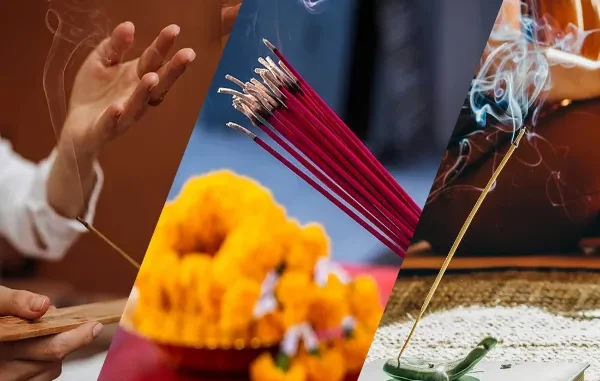
Scent is one of the most personal senses that people experience, and culture has a significant influence on it. The smell that is like heaven to one individual may be suffocating or unfamiliar to another. Such differences are not accidental. The perception of people concerning aroma, the level of the scent they prefer, and what they can accept in the social setting is culture-dependent.
This connection can be understood as the reason why the preferences towards scent vary so widely—and why the use of aromas is more important than ever in our networked world.
Scent as an Experienced Process
Although we are born with the sense of smell, our likes and dislikes increase with age. Children learn scent preferences based on the daily special events in life, family practices, and emotional experiences. It is these repetitive smells that train our brains to classify scents as good, neutral, or bad.
Early Exposure Sets the Baseline
The objects surrounding the home, the smell of outdoors, and even cultural traditions contribute to shaping the sense of normalcy. These common odors, as time goes by, become their points of comfort. Later on, when a person smells something new, it usually happens that our behavior is more of a match or not a match to those initial memories.
This is the reason why the scent tolerance of people can differ so much. The smell of a perfume to one person may be too much for a person whose senses have grown.
Cultural Views on Intensity

People are usually able to deal with more intense or more complicated scents in environments where smells are a part of daily routine, such as cooking, fabrics, or rituals.
On the other hand, the minimalist culture with neutral space considerations may enjoy a lighter noticeable scent. Both methods are right or wrong; they simply demonstrate varying values of senses.
Public vs. Private Scent Norms
Cultural norms also affect where people think scent is okay. Some places expect and enjoy personal scents. Other places keep scents for private areas. These unspoken rules shape how people feel about scented spaces in offices, shops, or shared homes.
Memory, Emotion, and Cultural Meaning
Scent is directly connected with the memory and the feeling. Emotional reactions may be swift and powerful when the cultural significance is assigned to a certain smell. One smell may be the cause of nostalgia, comfort or alertness in relation to its symbolical use in a culture.
When Meaning Shapes Tolerance
When a smell links to good memories, people tend to handle its strength better. Without context or familiar connections, even a faint whiff can be jarring. This explains why one scent can feel calming in one house but bothersome in another.
This emotional aspect makes smell much more than just likes and dislikes—it becomes part of who we are.
Globalization and Blended Sensory Spaces
This change has led to more interest in flexible, gentle scent experiences instead of strong smells. People are starting to enjoy lighter scents and shorter use times that work for more people.
Companies like Young Living often stress this balance. They suggest smart aroma use that fits the room, people, and situation without being too strong.
Personal Picks Within Cultural Impact
Culture shapes where we start, but what each person likes can change. People might start to enjoy new smells through trips, relationships, or lifestyle shifts. Over time, people can get used to more smells—but early influences usually stick around.
Knowing More Helps Us Choose Better
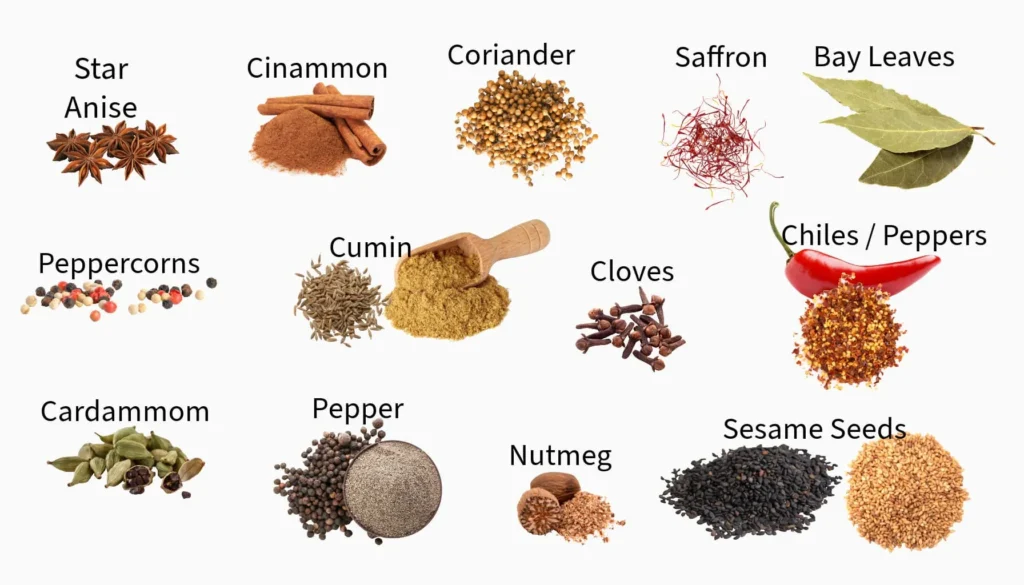
Understanding that our reactions to smells stem from our culture helps avoid confusion. What some think is “too intense” or “there” isn’t the same for everyone. This knowledge lets people tweak their approach in places where many people gather.
This mindfulness proves useful when bringing essential oils into homes or offices with a mix of people.
The Role of Education in Scent Awareness
Learning helps in eliminating the disparity of cultural perceptions about smells. There are ways in which studying the spread of scents can help users know how much to use and how to combine them in order to help create inviting rather than overwhelming experiences.
Conclusion
Cultural background affects how people interpret smells, their tolerance levels, and what they find soothing or too much. These effects start and grow stronger over time, making smell personal and emotional. In today’s world, where we share sensory spaces more often, careful use of scents is important. Picking high-quality oils and using them helps make scents bring people together instead of pushing them apart.
If you want to take a balanced, respectful approach to scents, reliable companies like Young Living help create experiences that respect both personal likes and cultural differences.
Related posts:
 01841 725302 – Who Is Calling You and Should You Be Concerned?
 Australia vs India: A Thrilling ICC Champions Trophy 2025 Semi-Final Showdown
 Exclusive Rewards with WoW Anniversary Classic Boost
 Frequently Asked Questions About Ordering Crystal Awards
 How to Choose the Perfect Women’s Shoes: Comfort, Style, and Confidence
Leave a Reply