
It’s spring. Or maybe it’s fall. Or maybe your coworker’s cat hair is clinging to your jacket. Whatever the culprit, your eyes are red, watery, itchy — the classic signs of seasonal (or situational) eye allergies.
You try not to rub them. You fail.
Someone says, “Just take a Benadryl.” But drowsy isn’t on today’s agenda. What you actually need? Relief — right where the problem is.
Enter: antihistamine eye drops.
Let’s Start with the “Why” — Why Are Your Eyes Like This?
It all begins with histamine. When your immune system detects what it thinks is a threat — like pollen, pet dander, dust — it sends out histamine like a security alarm. Unfortunately, histamine is overkill. It causes blood vessels in your eyes to swell, nerves to fire off itchy signals, and tear ducts to overcompensate.
In other words: redness, itchiness, swelling, watering. It’s not in your head — it’s in your histamine.
So, What Do Antihistamine Eye Drops Actually Do?
Simple: they tell histamine to chill.
Antihistamine eye drops block the histamine receptors in your eyes. That means even if your body keeps releasing histamine (because it still thinks tree pollen is an invader), the message never lands. It’s like putting noise-canceling headphones on your eyes — the chaos is still out there, but your body isn’t reacting to it.
Some drops work within minutes. Others last all day. Some even include mast cell stabilizers, which help prevent future histamine release before it even starts. (Two birds, one drop.)
Common Active Ingredients (a.k.a. What’s Doing the Work)
Most over-the-counter and prescription antihistamine eye drops contain one of these active ingredients:
- Ketotifen – Dual-action (antihistamine + mast cell stabilizer), long-lasting, widely available
- Olopatadine – Often Rx, highly targeted, well-tolerated
- Pheniramine – Fast relief, sometimes combined with decongestants
Each one works slightly differently, and some may be better for frequent users, while others are ideal for fast, short-term relief. Your eye doctor can help narrow it down based on your symptoms and history.
The Application: Technique Matters (Yes, Really)
Using antihistamine eye drops might seem like a no-brainer — but technique impacts effectiveness.
- Wash your hands. Always.
- Don’t touch the dropper to your eye. You don’t want to contaminate the bottle.
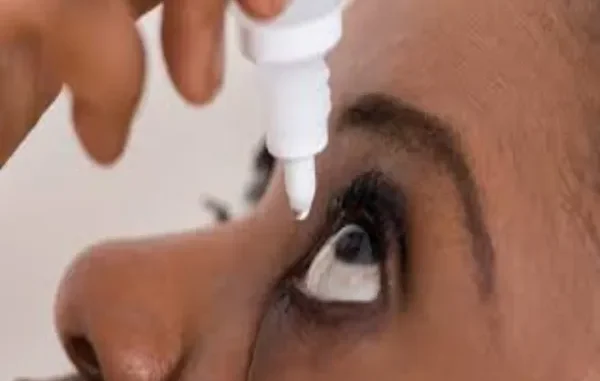
- Tilt your head back, look up, pull down your lower lid, and squeeze one drop in. Blink gently.
- Wait 5 minutes before using any other drops — mixing too fast dilutes both.
Pro tip: Store drops in the fridge. The cooling effect can enhance that sweet, sweet relief.
Accessibility: Why It Shouldn’t Be Complicated
Here’s the frustrating truth: some of the best antihistamine eye drops are locked behind a prescription pad or come with sticker shock at the pharmacy. Others are over-the-counter but inconsistent in potency or ingredients.
Because let’s be honest — no one should have to choose between clear vision and a clear wallet.
So, Who Needs These Drops Anyway?
If you’re someone who:
- Experiences seasonal eye allergy flare-ups
- Reacts to pet dander, mold, or dust
- Has dry, red, itchy eyes when outdoors (or indoors)
- Is tired of relying on oral antihistamines that make you nap at 2 p.m.
…then antihistamine eye drops might be your new daily essential.
Just remember: if your symptoms are persistent, worsening, or not fully relieved by OTC drops, it’s time to check in with your eye-care provider.
Final Blink: Relief Is Closer Than You Think
Allergy season isn’t going anywhere. But your symptoms don’t have to tag along for the ride.
Antihistamine eye drops offer targeted, fast-acting, and increasingly accessible relief — with less drowsiness and more clarity. Your eyes deserve that.
Because relief shouldn’t require a scavenger hunt.





Leave a Reply