
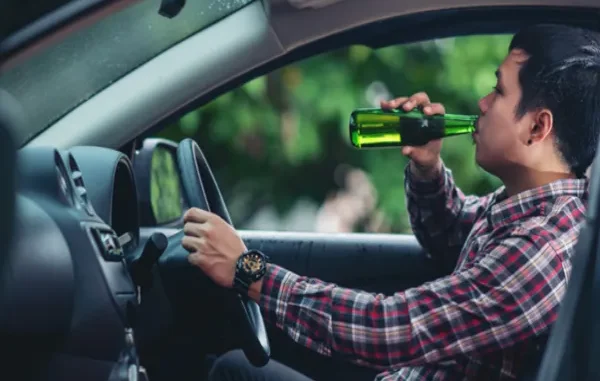
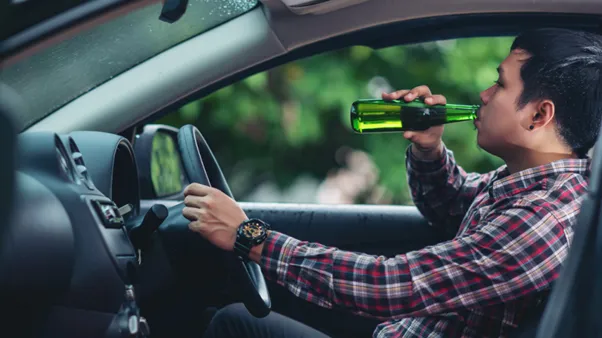
It’s late at night. You are heading home, perhaps even singing along to a song on the radio, when—bam—another vehicle swerves into your path and strikes your vehicle. The initial shock, the loud crash, and subsequent disorientation—it’s a lot to process. And then you find out that the other driver was under the influence.
What now? Knowing the steps to take after being hit by a drunk driver can make all the difference in protecting your health, your rights, and your peace of mind. In this article, we’ll walk through what to do immediately after the crash, how to handle insurance and legal details, and how to take care of yourself afterward.
What to Do Right After the Crash
The moments after a crash with a drunk driver can feel like slow motion. Your first job is safety. Check yourself and anyone else in the car for injuries. If anyone’s hurt, call 911 immediately. Don’t try to move someone who’s seriously injured unless there’s an immediate danger, like fire or heavy traffic.
Once you know you’re safe, get out of the road if possible. Turn on your hazard lights and wait in a visible but protected location. Stay calm and focused—adrenaline can make everything feel fuzzy.
Call the Police
Always report the accident. Even if it seems minor, a drunk driving crash is a criminal matter, not just a fender-bender. The police will document the scene, test the other driver for intoxication, and create a report you’ll need for insurance and legal steps later.
If the other driver tries to leave, don’t chase them. Note their license plate number, car make, and color. If you can safely do so, then report it to the dispatcher.
Gather Evidence
While waiting for the police, document as much as possible using your cell phone by taking clear photos and short videos. Documenting the following will be helpful:
- Vehicle damage to both vehicles
- License number of the other vehicle
- Skid marks and road conditions
- Street signs or landmarks near the accident
- Visible injury (to either driver)
Ask witnesses to provide you with their names and contact information. Witnesses may be crucial in establishing what occurred at the scene and in court, if needed.
Get Medical Attention
Even if you feel fine, it’s best to see a doctor as soon as possible. Car crashes release adrenaline that can mask pain. Some injuries, like concussions or internal bruising, show up hours later. A medical record also connects your injuries directly to the crash—something insurance companies look for.
According to the National Highway Traffic Safety Administration, about 37 people die every day in the U.S. from drunk-driving crashes (NHTSA, 2023). That’s one every 39 minutes—and countless others are injured. Getting checked out right away helps protect your health and strengthens your claim.
Notify Your Insurance
Call your insurance company once you’re safe and calm. Tell them the basics: where the crash happened, when, and that the other driver appeared intoxicated. Don’t guess about details you’re unsure of—they’ll get the police report soon.
If the drunk driver’s insurance refuses to pay or they’re uninsured, your own uninsured/underinsured motorist coverage may help cover costs. Ask your insurer how that applies in your case.
Speak with a Lawyer
You don’t have to go through this alone. A lawyer who handles DUI crash claims can help you deal with insurance, medical bills, and compensation. They know how to read police reports, calculate damages, and speak the legal language, so you don’t have to.
Avoid quick settlements before you understand your full injuries or losses. Once you sign, you usually can’t go back.
Take Care of Yourself
The impact of being hit by a drunk driver isn’t just physical. Many people deal with fear, anxiety, or sleep problems afterward. Talk to someone—a counselor, friend, or support group. Healing takes time, both for your body and your mind.
If your car is totaled or you miss work, track every expense. Keep copies of repair bills, medical visits, and receipts. These records help your claim stay strong and accurate.
Key Takeaways
- Stay safe: Move out of traffic and call 911.
- Report it: Always involve the police and get a report.
- Collect proof: Photos, witness info, and medical records matter.
- See a doctor: Even minor crashes can cause hidden injuries.
- Contact insurance: Report facts only, not guesses.
- Talk to a lawyer: They can handle claims and protect your rights.
- Take care of yourself: Recovery is more than fixing a car.




Leave a Reply