
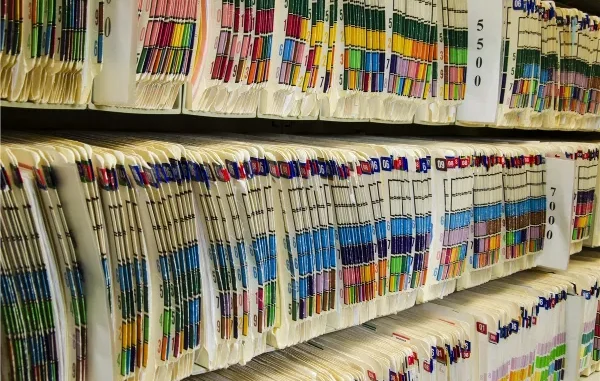
Pathology slides are critical medical records that support diagnoses, treatment decisions, research, and legal documentation. As healthcare facilities generate and retain large volumes of slides over time, proper storage becomes essential to protect patient data, maintain slide integrity, and comply with regulatory requirements. Secure, well-managed pathology slide storage ensures long-term accessibility while reducing risk and operational burden for laboratories and healthcare organizations.
Why Proper Pathology Slides Storage Matters
Pathology slides are often irreplaceable. Damage, loss, or mismanagement can compromise patient care, delay diagnoses, or create compliance issues. Unlike digital files, physical slides require controlled environments to preserve staining quality, prevent breakage, and protect against environmental factors such as humidity, temperature fluctuations, and light exposure.
In addition, regulatory standards often require healthcare providers to retain pathology materials for many years. Without a structured storage solution, facilities may struggle with overcrowded labs, inefficient retrieval, and increased risk of errors.
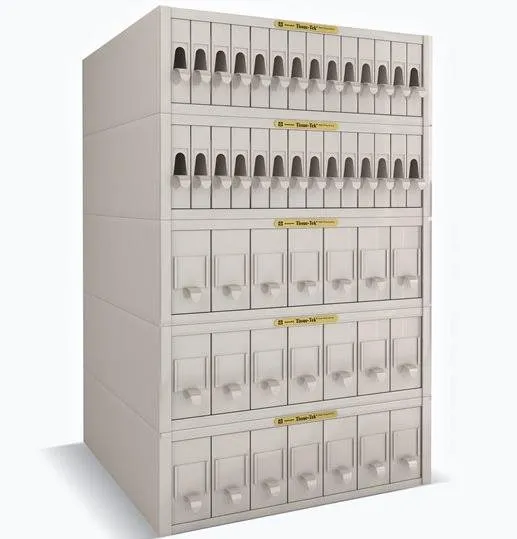
Key Challenges in Managing Pathology Slides
Many laboratories face similar challenges when managing slide archives:
- Space limitations within active lab environments
- Long-term retention requirements that vary by jurisdiction
- Risk of physical degradation over time
- Inefficient retrieval processes that slow research or follow-up care
- Security and privacy concerns related to patient information
These challenges highlight the need for specialized storage solutions designed specifically for pathology materials.
Benefits of Professional Pathology Slides Storage
Outsourcing pathology slide storage to a dedicated records management provider offers several advantages:
Enhanced Preservation
Professional storage facilities use controlled environments to help maintain slide quality over extended periods, reducing the risk of fading or damage.
Improved Organization and Accessibility
Cataloged storage systems make it easier to retrieve slides quickly when needed for second opinions, audits, research, or legal purposes.
Regulatory Compliance
Specialized providers understand healthcare retention regulations and help facilities remain compliant with storage, access, and destruction requirements.
Reduced Operational Burden
By moving archives off-site, laboratories free up valuable space and allow staff to focus on active diagnostic work rather than records management.
Healthcare organizations seeking secure, compliant solutions often turn to trusted providers such as Corodata pathology slides storage, which offers tailored storage services designed to meet the unique needs of pathology departments.
Supporting Research, Education, and Patient Care

Beyond diagnostics, pathology slides play a vital role in medical education and research. Long-term access to well-preserved slides supports training programs, retrospective studies, and quality assurance initiatives. Reliable storage ensures that valuable historical data remains available for future advancements in healthcare.
Final Thoughts
Effective pathology slides storage is not just about organization—it is about safeguarding patient care, supporting medical progress, and maintaining compliance in an increasingly regulated healthcare environment. By investing in secure, professional storage solutions, healthcare facilities can protect critical materials while improving efficiency and peace of mind.
FAQ
Pathology slides are glass slides containing tissue samples prepared and examined under a microscope. They are used for diagnosing diseases, confirming treatment plans, conducting research, and maintaining medical records.
Proper storage protects slides from physical damage, environmental exposure, and loss. Since slides are often irreplaceable and may be required years later for follow-ups, audits, or legal cases, secure storage is essential for patient care and compliance.
Retention periods vary by jurisdiction and regulation, but pathology slides are often required to be stored for many years. Some regulations mandate retention for 10 years or longer, depending on slide type and clinical use.
Improper storage can lead to fading stains, broken slides, misplacement, or unauthorized access. These issues can delay diagnoses, compromise research, and create regulatory or legal risks for healthcare providers.
Yes. Many healthcare organizations choose off-site storage to free up space and improve organization. Professional providers like Corodata pathology slides storage offer secure, climate-controlled facilities designed specifically for long-term preservation and compliance.
Slides are typically cataloged and indexed for efficient retrieval. Authorized requests allow slides to be delivered quickly when needed for clinical review, research, education, or legal purposes.
Yes. Reputable storage providers follow strict security protocols to protect patient privacy, including controlled access, tracking systems, and compliance with healthcare data protection standards.
Hospitals, diagnostic laboratories, research institutions, and healthcare networks all benefit by reducing onsite storage demands, improving compliance, and ensuring long-term access to critical pathology materials.





Leave a Reply