
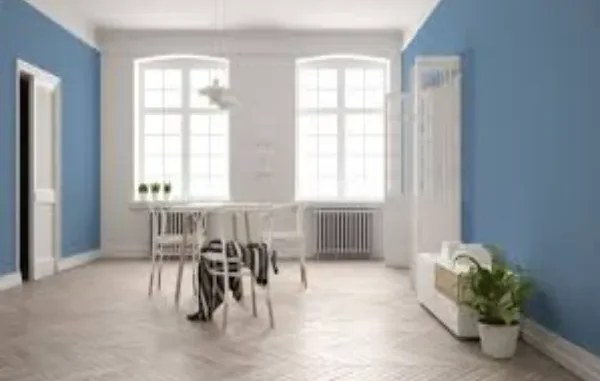
Struggling to find a radiator that performs efficiently and complements your interior design? It can be challenging, we know. Designer radiators merge elegant design with energy-efficient heating suitable for any home décor.
In this guide, we’ll explore the materials and advantages and disadvantages to help you make the best choice. Stay with us it’ll be worthwhile!
Key Takeaways
- Designer radiators combine style and function, with materials like stainless steel, aluminium, cast iron, and mild steel offering unique benefits for different spaces.
- Aluminium radiators heat quickly and save energy, while cast iron holds heat longer but requires sturdy support due to its weight.
- These radiators can cost more upfront, with prices ranging from £57.00 to over £500.00 depending on material and design features like mirror finishes or custom colours.
- Compact designs may offer less heat output; using a BTU calculator ensures the right size for proper room heating.
- Designer radiators add elegance to homes with options for vertical or horizontal setups in various styles, sizes, and colours.
Common Materials Used in Designer Radiators
Radiators come in different materials, each with its quirks and perks. Some are sleek, some sturdy each works best for specific spaces and needs.
Stainless Steel
Stainless steel radiators bring a sleek, modern touch to any décor. With finishes like polished, brushed, and chrome, they fit both bathrooms and living spaces. These models are known for their long-lasting durability and corrosion resistance.
Brands such as Zehnder and Vogue offer premium options in this material.
They suit minimalist designs while giving great value for money over time. Stainless steel works well in humid areas too, thanks to its rust-resistant nature. While these aren’t always cheap designer radiators, there’s still plenty of variety at different price points for various budgets.
Aluminium
Stainless steel is strong, but aluminium shines for its energy efficiency. It offers quick warmth and affordable heating options. Modern designs like the REINA WINCHESTER heat rooms faster with their advanced conduction technology.
Many have tubular structures or convection fins to spread heat evenly.
Aluminium radiators are lightweight, making installation easier on walls. They fit well with most central heating systems but always check the specs first. Their high BTU ratings mean they perform brilliantly even with lower water content.
We love that they come in various finishes, including custom RAL colours, giving spaces a stylish touch without sacrificing function.
Cast Iron
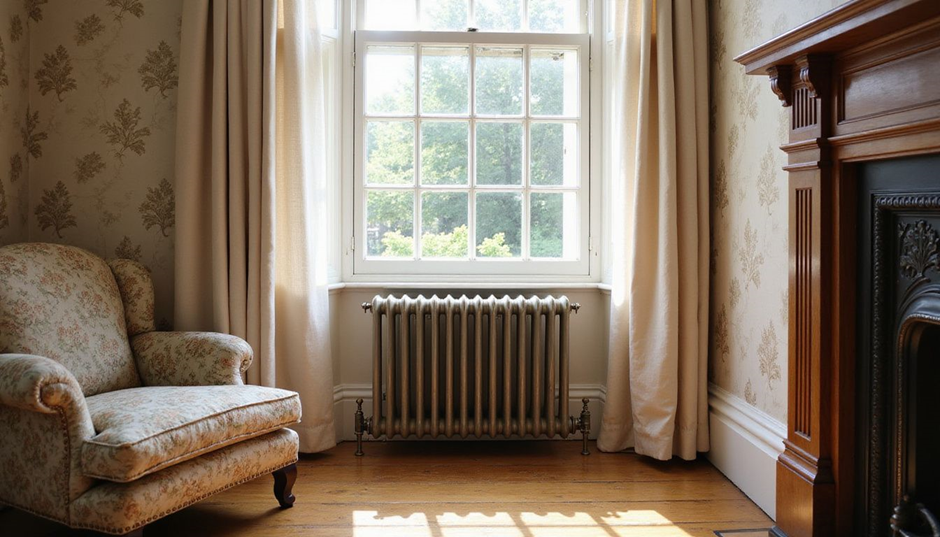
Cast iron radiators scream elegance and history. They fit right into Victorian homes or spaces craving that antique charm. These column radiators often showcase intricate designs and come with glossy finishes to match their vintage vibe.
They hold heat like champs, even after turning off the heating. This makes them great for saving energy during cold winters. But they are heavyweights, needing sturdy walls or floor-standing supports.
Brands like Planet Radiators specialise in these models, offering both two column radiators and three column options for flexibility in design. Just know, top-notch craftsmanship means a higher price tag!
Mild Steel
Mild steel radiators offer excellent value for money and work well in both modern and classic designs. Many models, like flat panels and three column radiators, come with powder-coated finishes in shades such as anthracite, white, or black.
They are budget-friendly too; some start as low as £57.00.
These radiators can suit central heating or dual-fuel systems. With options for vertical or horizontal setups, mild steel fits various room layouts. Lux Heat offers warranties of up to 10 years on their mild steel ranges whilst supporting colours from creams to blues and custom hues.
Let’s now explore the benefits designer radiators bring!
Benefits of Designer Radiators
They warm your room beautifully while adding a stylish touch—worth exploring more, don’t you think?
Aesthetic Appeal
Designer radiators turn heating into art. With finishes like stainless steel, brass, and chrome or bold colours like red and yellow, they add charm to any room. Vertical designs create striking visuals in small spaces.
Black models feel sleek and timeless in modern homes.
One standout is the CARISA SOPHIA MIRROR RADIATOR. It combines warmth with function, acting as a full-length mirror too. Custom options let us match radiators to any decor style or colour palette.
These elegant pieces upgrade interiors while keeping us cosy!
Style meets substance with designer radiators.
Energy Efficiency
Energy-efficient radiators save energy and cut heating bills. Aluminium options, like the REINA WINCHESTER, heat up fast and use less energy. Flat panel designs or tubular shapes boost BTUs while keeping sizes compact.
Their larger surfaces give off more heat quickly, warming rooms faster.
Some models work with both central heating and electricity. This dual-fuel feature adds flexibility and reduces costs further. Advanced convection fins or multiple panels spread warmth evenly across spaces.
Upgrading to these modern designs during renovations can make homes warmer without wasting power.
Versatility in Design
Designer radiators offer various options to suit any space. Vertical models save space in tight rooms, while horizontal ones work well under windows or on long walls. They come in widths and heights from 0mm to over 2000mm, fitting both compact and larger areas.
Many styles are perfect for different rooms like bathrooms or living spaces. Mirror radiator designs add dual function, while towel versions bring warmth to bathrooms. Some models even include custom RAL colour matching, like the LUX HEAT FLAT COLOURED VERTICAL RADIATOR.
With hundreds of choices online, filtering by price or best sellers makes shopping simple yet stylish!
Drawbacks of Designer Radiators
They can be a bit pricey upfront, which might pinch the wallet. Some models may not warm rooms as much as traditional options.
Higher Initial Cost
Designer radiators can put a real dent in the wallet. Prices start at £57.00 for the Lux Heat Oval White Horizontal Radiator but can climb above £500.00 with models like the GLO Zeel Range Cream Flat Panel Vertical at £506.00.
Custom colours, mirror finishes, or detailed designs add more to these costs too. Victorian-inspired cast iron pieces often sit on the pricier end.
Professional installation adds to expenses as well, especially if extras like radiator feet (£22 each) are needed. Even with discounts, such as 10% off on the Lux Heat Xtreme Black Vertical Radiator (£143 from £159), base prices still outstrip standard options.
Renovations or upgrades during replacements might further inflate total spending quickly!
Limited Heat Output in Some Models
Some highly stylish or compact models trade heat output for looks. Slimline or mirror radiators, for example, may not give enough warmth for larger rooms. Sizes range from 0 to over 10,000 British Thermal Units (BTUs).
Picking the wrong size means poor heating performance.
Small or vertical radiators struggle in big spaces or draughty homes. Dual fuel types often perform lower on electric settings than central systems. To avoid chilly days, use a free BTU calculator before buying your Planet Radiators model!
Energy efficiency is another key point worth exploring next.
Conclusion
Designer radiators are more than just heaters. They bring style, warmth, and energy savings to our homes. While they can cost more upfront, their beauty and efficiency often make them worth it.
Choosing the right material and size is key to getting the best value. With so many options out there, there’s a perfect fit for every space!
FAQs
1. What materials are designer radiators made from?
Designer radiators come in materials like steel, aluminium, and cast iron. Steel is durable and versatile. Aluminium heats up quickly but cools down fast too. Cast iron retains heat longer but takes time to warm up.
2. Are there benefits to choosing a designer radiator over a standard one?
Yes, they combine style with function. Designer radiators can enhance your room’s look while providing efficient heating. They often take up less space and offer modern features.
3. What are the drawbacks of using designer radiators?
They can cost more than standard models due to their design and material quality. Some may not provide as much heat output for larger spaces compared to traditional options.
4. Do specific rooms benefit more from designer radiators?
Absolutely! Bathrooms and kitchens often suit them best because of limited space or aesthetic needs. However, they work well in living rooms or bedrooms if you want an eye-catching feature that also keeps you warm!





Leave a Reply