
Sleepovers are often seen as a fun milestone in childhood, but for many kids, they can bring a mix of excitement and nervousness. Spending the night away from home, following unfamiliar routines, and sleeping in a new environment can feel overwhelming, especially for younger children.
Thoughtfully preparing your kids can make a meaningful difference in how confident and comfortable they feel. With the right approach, parents and caregivers can help reduce anxiety and set the stage for a positive experience that builds independence rather than stress.
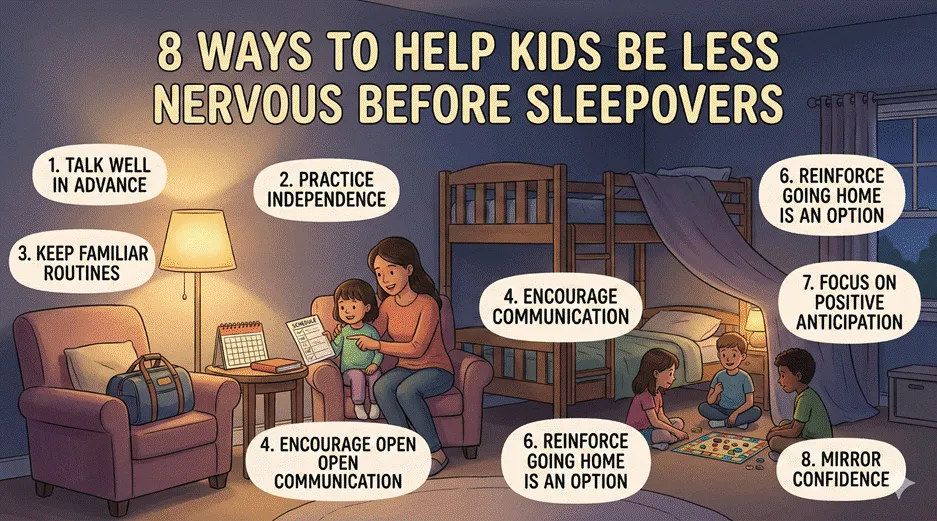
1. Talk Through Expectations Well in Advance
One of the most effective ways to reduce sleepover nerves is to talk about the experience beforehand. Conversations held calmly and ahead of time allow kids to process what will happen without feeling rushed. Discuss where the sleepover will take place, who will be there, and what the general schedule might look like.
This is also a good time to mention practical details, such as where everyone will sleep, including options like sleepover beds, so the sleeping setup doesn’t come as a surprise. Clear expectations can help replace uncertainty with familiarity.
2. Practice Independence Through Small Steps
Confidence often grows through gradual exposure rather than sudden changes. Before a sleepover, kids can benefit from practicing independence in smaller ways. This might include staying overnight with relatives, spending extended afternoons at a friend’s house, or managing parts of a bedtime routine without assistance.
These experiences help kids learn that being away from home can still feel safe. When sleepovers happen, they no longer feel like a completely new challenge but a natural extension of skills already developed.
3. Keep Familiar Routines Part of the Experience
Familiarity plays a powerful role in helping kids feel secure. Even when sleeping away from home, maintaining parts of a regular bedtime routine can provide comfort.
Wearing the same pajamas, brushing teeth at the same time, or reading a favorite book before bed can help signal that it is time to rest, even in a different setting. When routines feel recognizable, kids are more likely to relax and settle in. Familiar habits help create a sense of normalcy that eases emotional tension.
4. Encourage Open Communication Without Pressure
Kids should feel free to express concerns about sleepovers without fear of disappointment or dismissal. Encouraging open communication allows worries to surface early, when they can be addressed calmly. It’s important to listen carefully and validate feelings without magnifying them.
Reassurance should focus on support rather than obligation. Kids who know they can speak up are more likely to feel secure and less likely to internalize stress. This sense of emotional safety often carries over into the sleepover itself.
5. Prepare Kids for Common Sleepover Challenges
Sleepovers can come with moments that feel unfamiliar, such as different food choices, later bedtimes, or shared sleeping spaces. Talking about these possibilities ahead of time helps kids feel prepared rather than caught off guard.
When children know that differences are normal and temporary, they are better equipped to adapt. Preparation helps turn potential stress points into manageable experiences rather than sources of anxiety.
6. Reinforce That Going Home Is Always an Option
Knowing there is an exit plan can significantly reduce sleepover nerves. Kids feel more confident when they understand that leaving early is allowed if they become uncomfortable. This reassurance does not increase the likelihood of leaving; instead, it often makes kids more willing to stay.
Feeling trapped can heighten anxiety, while having a clear option to return home promotes calm and confidence. This understanding helps kids approach the sleepover with less fear of the unknown.
7. Focus on Positive Anticipation Rather Than Outcomes
Shifting attention toward the enjoyable aspects of a sleepover can help balance nervous feelings. Talking about games, activities, or spending time with friends helps kids associate the experience with positive moments rather than worries.
This doesn’t mean ignoring nerves, but placing them alongside excitement instead of letting them dominate. Positive anticipation builds emotional readiness and helps kids approach the event with curiosity rather than fear.
8. Mirror Confidence
Children often take emotional cues from the adults around them. Calm, supportive attitudes signal that sleepovers are manageable and safe. Avoiding overly dramatic goodbyes or repeated reminders about potential difficulties helps keep emotions steady.
When adults appear confident, kids are more likely to mirror that confidence. Consistent reassurance combined with a relaxed demeanor helps reinforce a sense of security.
A Calm Night Starts With Thoughtful Preparation
Helping kids feel less nervous before sleepovers is about preparation, communication, and emotional support. By addressing concerns early, maintaining familiar routines, and reinforcing choice and reassurance, adults can create a foundation for a positive experience. With the right approach, kids can learn to embrace new experiences while still feeling secure and supported.




Leave a Reply