

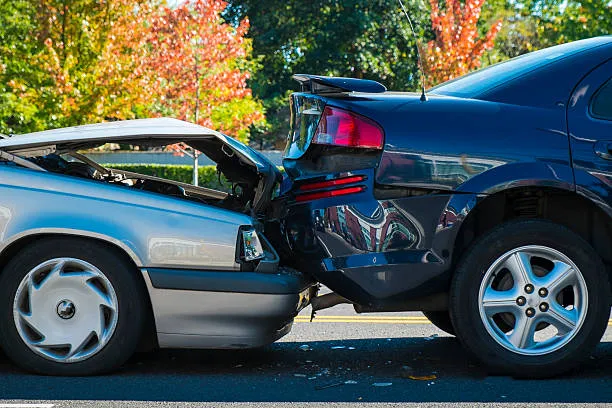
Rear-end collisions are among the most common types of car accidents on today’s roads, particularly in areas with heavy traffic and frequent stop-and-go driving.
Whether it happens at a red light, in a school zone, or on a busy highway, being hit from behind can place significant strain on the body. Even minor crashes can result in injuries that disrupt daily life long after the accident scene has cleared.
Understanding the injuries linked to these rear-end crashes is an important first step toward protecting your health and your rights. Especially when you are involving a car accident lawyer, documenting injuries early plays a critical role here.
What injuries are most common in rear-end collisions?
When a vehicle is struck from behind, the body is pushed forward and then snapped back. That sudden motion puts serious stress on the neck, spine, and surrounding muscles.
Below are five injuries frequently linked to rear-end crashes and why they matter when deciding whether to speak with a car accident lawyer.
Whiplash and Soft Tissue Injuries
Whiplash is the injury most people think of first, and for good reason. The rapid back-and-forth movement of the neck can stretch or tear muscles and ligaments.
Common symptoms include:
- Neck pain and stiffness
- Headaches
- Limited range of motion
Even low-speed rear-end crashes can cause whiplash, and symptoms may not appear until days later.
Back and Spinal Injuries
The spine absorbs much of the force in a rear-end collision. That impact can lead to herniated discs, misalignment, or pressure on nearby nerves.
Back and spinal injuries often result in:
- Ongoing upper or lower back pain
- Tingling or numbness in the arms or legs
- Trouble sitting, standing, or sleeping comfortably
These injuries can interfere with everyday routines and may require long-term medical care or physical therapy.
Knee and Leg Injuries
During a rear-end impact, knees often hit the dashboard. That force can damage joints, ligaments, or bones.
Leg injuries commonly include:
- Torn ligaments
- Knee joint damage
- Difficulty walking, bending, or climbing stairs
Recovery can take time, particularly when surgery or extended rehabilitation is needed.
Head and Brain Injuries
A sudden jolt can cause the head to snap forward or strike a headrest, window, or steering wheel. Concussions and other brain injuries are more common than many people realize.
Warning signs may include:
- Dizziness or confusion
- Memory or concentration problems
- Sensitivity to light or noise
Because symptoms are not always immediate, getting checked by a medical professional after an accident is especially important.
Shoulder and Arm Injuries
Seatbelts save lives, but during a collision, they can place strain on the shoulders. Some drivers also instinctively brace for impact, which can stress the arms.
- These injuries may involve:
- Rotator cuff tears
- Shoulder dislocations
Nerve damage affecting arm strength or movement
Limited shoulder or arm function can make everyday tasks and many jobs much harder.
Why Legal Help Matters After a Rear-End Collision
Rear-end accidents may seem straightforward, but insurance claims rarely are. Injuries from these crashes don’t always appear right away, and early settlement offers may fall short of covering future medical care or missed work.
A car accident lawyer can help by:
- Collecting medical records and accident evidence
- Communicating with insurance companies
- Seeking compensation for medical costs, lost income, and pain
Having professional guidance lets you focus on recovery instead of paperwork and negotiations.
Final Takeaways
- Rear-end collisions frequently cause injuries to the neck, back, head, shoulders, and knees
- Symptoms may develop days after the accident
- Even minor-looking rear-end crashes can result in serious injuries
- A car accident lawyer can help protect your rights and financial future
Understanding these injuries puts you in a stronger position to make informed decisions and get the support you may need after an accident.



Leave a Reply